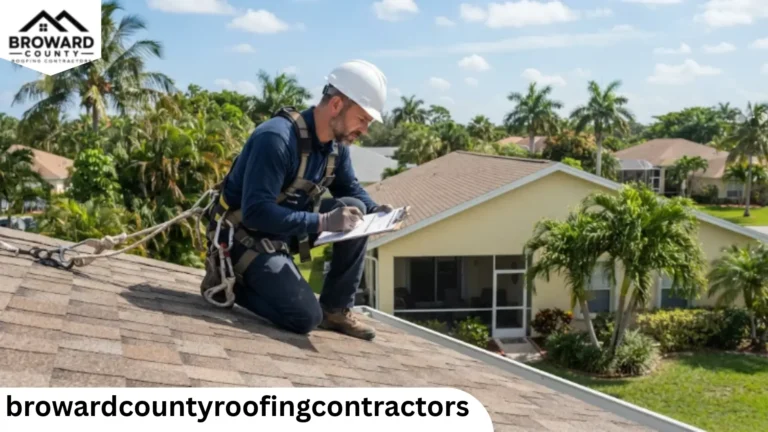
If your insurance company has asked for a roof inspection, it is easy to push that letter to the bottom of the pile. The roof looks fine from the driveway, the deadline feels far away, and the inspection is one more expense. But in Florida, a roof inspection for insurance is rarely a formality. It is often the document that decides whether your policy renews, what it costs, and how a future claim is handled.
This guide explains what can happen if you let an insurer-required inspection lapse, what insurers are usually looking for, and how Broward County homeowners can handle the process without last-minute stress.
Why Florida Insurers Ask for Roof Inspections
Your roof is the first line of defense against wind and water, and insurers know it. In a state with hurricane exposure, carriers pay close attention to roof age, material, condition, and how well the roof is attached to the home.
Requests for an inspection typically show up in a few situations:
- At policy renewal, especially when the roof is getting older
- When you buy a home and apply for new coverage
- When you switch carriers or move from one policy type to another
- After a storm, when an insurer wants to document the roof’s condition
Requirements vary by company and by policy, so the exact letter or email from your insurer is your starting point. If the wording is unclear, ask your agent which inspection is being requested and what the report must include.
What Happens If You Skip a Required Roof Inspection
The specific outcome depends on your insurer’s rules, but these are the most common consequences homeowners run into.
Your Policy May Not Be Renewed
When an insurer requires documentation and does not receive it by the deadline, nonrenewal is one possible result. A nonrenewal notice can leave you searching for replacement coverage on a short timeline, often with fewer carriers willing to write a policy on an uninspected roof.
Your Premium Could Go Up
Insurers price risk based on the information they have. Without a current inspection, they may assume the worst about your roof’s condition. A documented inspection can help show that your roof is in better shape than a policy file suggests.
You Could Lose Discounts or Coverage Terms
Some discounts and coverage conditions depend on verified roof details. If you cannot provide the documentation, you may not qualify for them. This is one reason many homeowners pair an insurance inspection with a wind mitigation report.
A Future Claim Could Be Harder
An inspection report creates a record of your roof’s condition at a point in time. If you ever file a roof-related claim, that record can help show what was already in place before the damage occurred. Without it, the conversation with the adjuster starts from a weaker position.
You Could Be Left Scrambling for Coverage
Finding a new policy in Florida can take time. Skipping an inspection and then needing new coverage quickly is a hard combination, because many carriers will ask for the same documentation you skipped.
Roof Age and Insurance in Florida
Roof age is one of the most common reasons insurers ask for an inspection. Florida has a statute (section 627.7011) that addresses how insurers treat roof age on homeowners policies. In general terms, it limits an insurer’s ability to refuse or nonrenew a policy based only on roof age for newer roofs, and it gives owners of older roofs a way to have the roof inspected by an authorized inspector at their own expense.
Because the details can change and depend on your policy, treat this as background rather than legal advice. Your insurance agent or an attorney can tell you exactly how the current rules apply to your situation.
The practical takeaway: an older roof is not automatically a failed roof. A professional inspection can show that an older roof still has useful life remaining, and that documentation can matter a great deal at renewal.
Types of Inspections Florida Insurers Commonly Request
“Roof inspection” can mean different things depending on the insurer. Knowing which one you need saves time and money.
Roof Condition or Remaining Useful Life Inspection
This evaluates the roof’s current condition and estimates how much service life is left. It is common for older roofs.
4-Point Inspection
Often requested for older homes, a 4-point inspection looks at the roof, electrical system, plumbing, and HVAC. If this is what your insurer asked for, our guide to the Florida 4-point inspection explains what to expect.
Wind Mitigation Inspection
This documents roof-related and other wind-resistant features of the home, such as roof shape, roof-to-wall attachment, and opening protection. Many homeowners use it to review potential insurance savings. See our overview of wind mitigation inspections in Broward County.
Roof Certification Letter
Some buyers, sellers, and insurers want a written statement about the roof’s condition. Our article on roof certification in Florida covers what these letters confirm.
If you are not sure which one applies, ask your agent for the exact name of the report and whether the inspector needs specific licensing.
What an Inspector Looks At
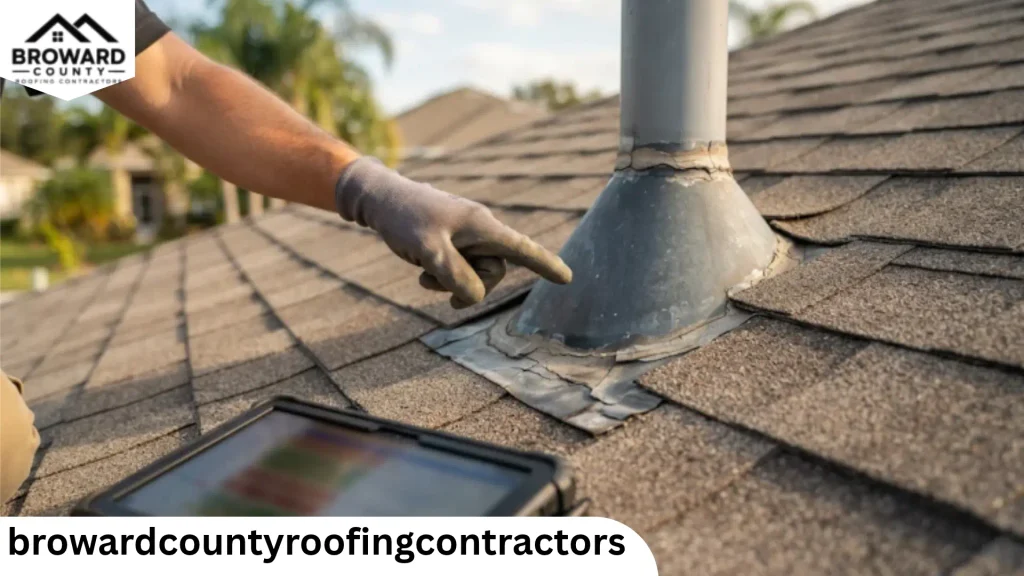
A thorough roof inspection generally documents:
- Roof covering type and overall condition (shingles, tile, metal, or flat roof membrane)
- Signs of wear such as granule loss, cracking, curling, or brittleness
- Damaged, missing, or slipped shingles or tiles
- Flashing around chimneys, vents, skylights, and walls
- Roof penetrations and how they are sealed
- Drainage, including gutters and, on flat roofs, drains and ponding areas
- Visible signs of past leaks or water intrusion
- Overall condition of the roof deck where visible
- Photos supporting every finding
Some contractors also use drone roof inspections to capture hard-to-reach areas safely, which can add useful photo documentation.
Why Broward County Roofs Get Extra Scrutiny
Broward County roofs deal with intense sun, heavy seasonal rain, humidity, salt air closer to the coast, and the ever-present hurricane season. Over time, these conditions can age roofing materials faster than many homeowners expect.
Flat and low-slope roofs, common on many Broward properties, add another factor: standing water and clogged drains can shorten their lifespan. Inspectors know this, and insurers do too. That is part of why a local, documented inspection carries weight.
Practical Steps If You Received an Inspection Request
- Read the notice carefully. Note the deadline, the type of inspection, and where to send the report.
- Call your insurance agent. Confirm what the report must include and who is qualified to perform it.
- Schedule early. Inspectors can get busy around renewal seasons and after storms.
- Gather your records. Roof installation date, permits, past repair invoices, and warranty paperwork all help.
- Ask what happens if repairs are needed. An inspection can turn up small issues. Fixing them promptly can strengthen your report.
- Keep a copy of everything. Save the report, photos, and proof of submission.
What If the Inspection Finds Problems?
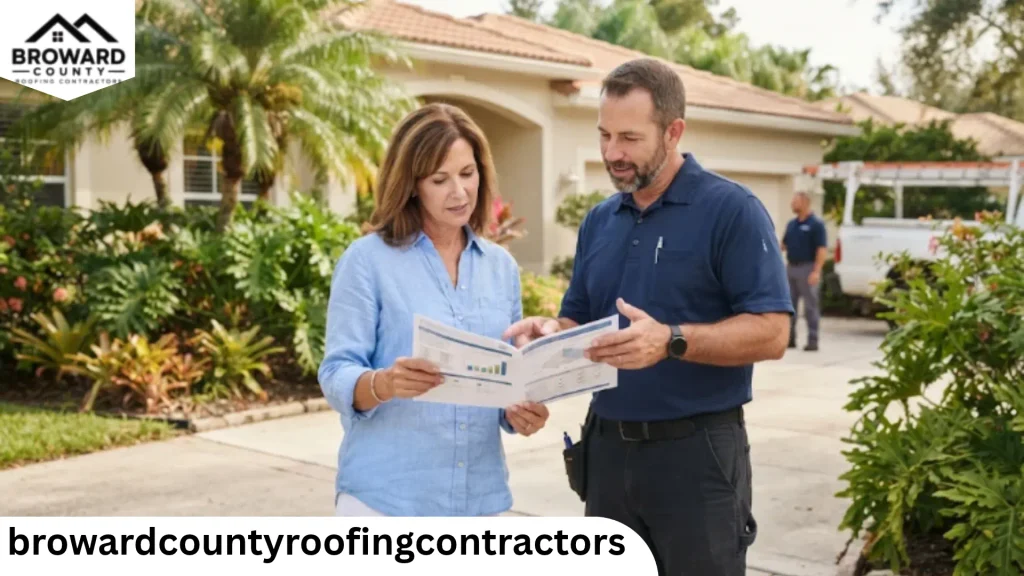
A report with findings is not the end of the road. Many items, such as sealing flashing, replacing damaged shingles, or clearing drainage, are routine roof repairs. Addressing them and getting an updated report can often resolve the concern.
If the roof is near the end of its life, a licensed contractor can walk you through whether repair or roof replacement makes more sense and what your options are. Get the findings in writing, compare them with your insurer’s requirements, and ask questions before committing to major work.
How to Choose a Roof Inspector in Broward County
- Confirm the inspector or company holds the proper Florida licensing for the type of report requested
- Ask for a sample report so you know what you will receive
- Make sure the report includes dated photos and clear written findings
- Ask whether they can discuss repairs without pressuring you into them
- Check reviews and local references
An inspector who explains findings in plain language helps you make a better decision, not just check a box.
Conclusion
Skipping an insurer-required roof inspection rarely saves money in the long run. It can put your renewal, your premium, and your claim position at risk, all to avoid a one-time task that takes a short visit and a written report.
If you have received an inspection request, start with your agent, confirm exactly what is needed, and schedule early. If you would like a local team to inspect your roof and provide clear documentation, contact Broward County Roofing Contractors at (754) 203-8806 (or request an estimate online) or visit us at 4491 S State Rd 7, FL 33314.
FAQs
Is a roof inspection required for homeowners insurance in Florida?
There is no single rule that applies to every policy. Many insurers request a roof inspection based on factors like roof age, condition, or policy type. Check your notice and ask your agent what your carrier requires.
What happens if I don’t get my roof inspected when my insurer asks?
Possible outcomes include nonrenewal, higher premiums, loss of certain discounts, or difficulty with future claims. The exact result depends on your insurer’s policies.
How old does a roof have to be before insurers ask for an inspection?
Roof age is a common trigger, and Florida law includes a 15-year reference point for roof-age rules on homeowners policies. Individual insurers may have their own underwriting guidelines, so confirm with your carrier.
Who can perform a roof inspection for insurance in Florida?
Requirements depend on the insurer and the type of report. Ask your agent which licenses or credentials are accepted before booking.
How much does a roof inspection for insurance cost?
Pricing varies by roof size, type, and the report requested. Ask for a written quote before scheduling.
What is the difference between a roof inspection and a wind mitigation inspection?
A roof inspection evaluates condition and remaining life. A wind mitigation inspection documents wind-resistant features and is often used for potential premium discounts.
Can an older roof still pass inspection?
Yes. Age alone does not decide the outcome. Condition and remaining useful life matter, and a well-maintained older roof can still be documented as serviceable.
Should I repair my roof before the inspection?
Obvious damage is worth addressing, but it is usually smart to have the roof assessed first so you only pay for repairs that are actually needed.