If you’re buying, selling, or renewing a policy on a Broward County property, you may be asked for a roof certification letter. It often comes up late in the process, and it can hold up a closing or an insurance renewal if you aren’t ready for it.
This guide explains what roof certification in Florida means, what the letter does and doesn’t verify, when it’s usually requested, and how to get one without surprises.
What Is a Roof Certification Letter?
A roof certification letter is a written statement from a licensed professional, usually a roofing contractor or qualified inspector. It states the condition of your roof on the day it was inspected and, in most cases, gives an estimate of how many years of service life remain.
Think of it as a snapshot of your roof’s health. It is not a warranty and not a promise about the future. It’s one professional’s documented opinion, based on a physical inspection.
Florida has no single statewide form that every roof certification must follow. Insurance companies, lenders, and buyers’ agents each decide what they will accept. Before you order anything, ask whoever is requesting the letter what they need it to say.
What the Letter Typically Confirms
Letter formats vary, but most cover the same core points:
- Current condition: whether the roof is in satisfactory, fair, or poor shape
- Roofing material and approximate age: shingle, tile, metal, or flat/low-slope systems
- Visible damage or wear: cracked or missing shingles, lifted tiles, exposed fasteners, failing sealant, granule loss, ponding water on flat sections
- Flashing and penetrations: the condition of seals around vents, chimneys, skylights, and roof edges
- Estimated remaining life: a professional estimate, often expressed in years
- Active leaks: whether any were found at the time of inspection
- Inspector details: name, license number, company, date, and signature
Some letters also include photos, which strengthen the report. If an insurer or buyer needs specific wording, such as “no more than X years of remaining life,” tell the inspector before the inspection, not after.
When You Might Need a Roof Certification in Florida
When an Insurer Asks for It
Florida homeowners insurance has been a tough market for years, and many carriers pay close attention to roof age and condition. An insurer may request a certification when you apply for new coverage, when a policy comes up for renewal, or when your roof is older. Requirements differ by company, so confirm what your carrier accepts in writing.
During a Home Sale
Buyers, their agents, and their insurers often want proof that the roof has life left. If you’re selling, getting the letter early can prevent last-minute negotiation over repairs or price. If you’re buying, ask whether one is available and request your own inspection if the seller’s letter is outdated or vague.
When Refinancing or Dealing with a Lender
Some lenders want assurance that the roof protects the property they’re financing. This is more common with older buildings.
For Commercial and Multi-Family Properties
Owners of commercial buildings, condo associations, and landlords often use certifications for insurance, reserve planning, and sale due diligence. Flat and low-slope roofs get extra attention because water that pools on them can cause serious damage.
How a Roof Certification Differs from Other Inspections
These reports get mixed up all the time, and each answers a different question.
- Roof certification letter: What condition is the roof in, and how long should it last?
- 4-point inspection: What is the condition of the roof, electrical, plumbing, and HVAC systems? Insurers often request it for older homes.
- Wind mitigation inspection: Which wind-resistant features does the home have, such as roof shape, roof deck attachment, and opening protection? It can affect insurance premiums.
You may need more than one, depending on your situation. A roof certification doesn’t replace a wind mitigation report, and the reverse is also true.
How a Roof Certification Is Obtained
- Find out exactly what’s required. Ask your insurer, lender, or buyer for their specific requirements and preferred wording.
- Hire a licensed professional. Choose a licensed Florida roofing contractor or qualified inspector with local experience. Ask for their license number and verify it.
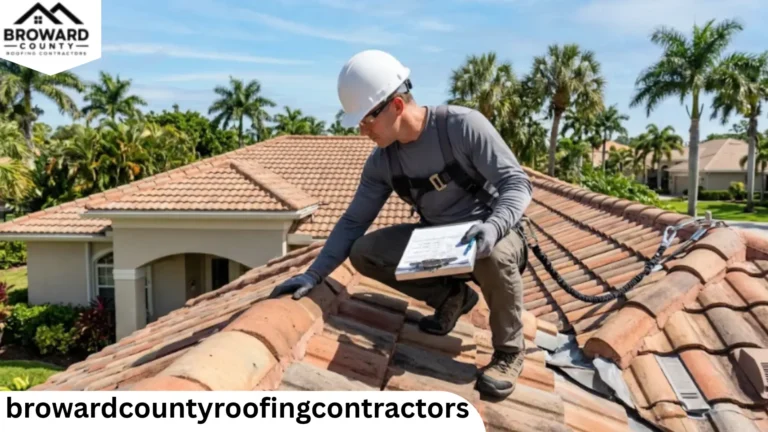
- Schedule the inspection. The inspector examines the roof surface, flashing, penetrations, edges, drainage, and, where possible, the attic for signs of moisture.
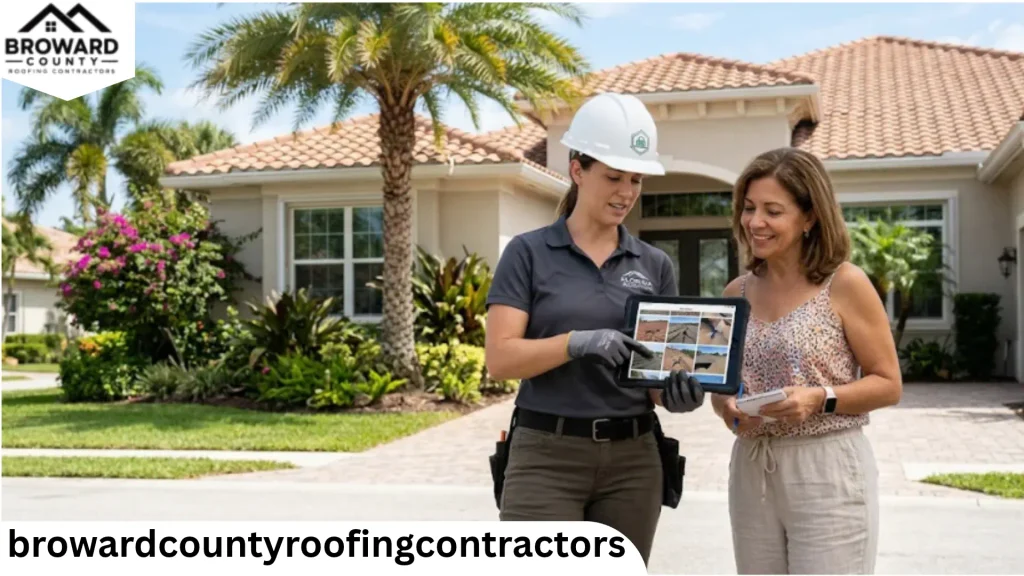
- Review the findings. If the roof passes, you receive the letter. If problems turn up, you’ll typically get a list of recommended repairs.
- Complete repairs if needed, then request the letter. Many roofs that don’t pass at first can be certified after targeted repairs.
- Check the date. Insurers and buyers often want a recent letter, and how recent varies. Don’t order it too early.
Costs vary with roof size, type, and complexity, so request a written quote instead of relying on general estimates.
Why Broward County Roofs Get Extra Scrutiny
Broward County sits in a hurricane-prone region with intense sun, heavy seasonal rain, and salt-laden air near the coast. These conditions wear on roofing materials over time. Broward is also part of Florida’s High-Velocity Hurricane Zone, where stricter building requirements apply to roofing work, so confirm that any contractor you hire understands local permitting and code expectations.
In practice, the most common issues inspectors find on local roofs include:
- Sealant and flashing breakdown from sun exposure
- Shingle granule loss and curling on older asphalt roofs
- Loose or cracked tiles after storm seasons
- Ponding and drainage problems on flat roofs
- Fastener corrosion on metal roofs near the coast
Catching these early costs far less than repairing the interior damage that follows a leak.
What to Do If Your Roof Doesn’t Pass
A failed inspection isn’t the end of the road. You generally have three paths:
- Repair: Fix the specific problems, then ask for reinspection and certification. Repairs are often enough, especially for localized damage.
- Partial replacement: Replace a damaged section if the rest of the roof is sound.
- Full replacement: For roofs near the end of their service life, replacement may cost less over time than repeated repairs, and a new roof typically comes with a manufacturer warranty and a fresh start for insurance purposes.
Ask for a written scope of work so you can compare options with a clear understanding of what each includes.
Tips Before You Order a Certification
- Ask the requester for their exact wording requirements first.
- Don’t wait until the final week of a closing or renewal. Scheduling and repairs take time.
- Keep records of past repairs, permits, and warranties, since they support your case.
- Get the report and photos in writing, and save a digital copy.
- Be cautious of anyone who promises a certification before seeing the roof. A legitimate letter reflects an actual inspection.
Conclusion
A roof certification letter is a documented professional opinion of your roof’s condition and remaining service life. In Florida, insurers, buyers, and lenders decide whether they need one, so the smartest first step is asking exactly what they require. Order it from a licensed professional, give yourself time for any repairs, and keep the paperwork on file.
If you own property in Broward County and need your roof evaluated, the team at Broward County Roofing Contractors can inspect it and walk you through your options. Call (754) 203-8806 to schedule an inspection.
FAQs
What is a roof certification in Florida?
It’s a written statement from a licensed professional describing your roof’s current condition and estimated remaining life, based on a physical inspection.
Is a roof certification required by law in Florida?
There’s no single statewide rule that requires one for every property. Insurers, lenders, and buyers set their own requirements, so ask the party requesting it.
How long is a roof certification letter good for?
It depends on who is asking. Many insurers and buyers want a recent inspection date, so confirm their window before you order.
Who can issue a roof certification letter?
Typically a licensed roofing contractor or qualified inspector. Check that the person is licensed and that your insurer or buyer will accept their credentials.
Is a roof certification the same as a 4-point inspection?
No. A 4-point inspection covers the roof plus the electrical, plumbing, and HVAC systems. A roof certification focuses on the roof alone.
Is a roof certification the same as a wind mitigation inspection?
No. A wind mitigation inspection documents wind-resistant features and may affect insurance premiums. A roof certification addresses condition and remaining life.
Can an older roof still be certified?
Sometimes. Age alone doesn’t decide it. Condition does, and some older roofs pass, especially after repairs. Others won’t, depending on the material and wear.
What happens if my roof fails the inspection?
You’ll receive a list of issues. You can repair the problem areas and request reinspection, or consider partial or full replacement.