
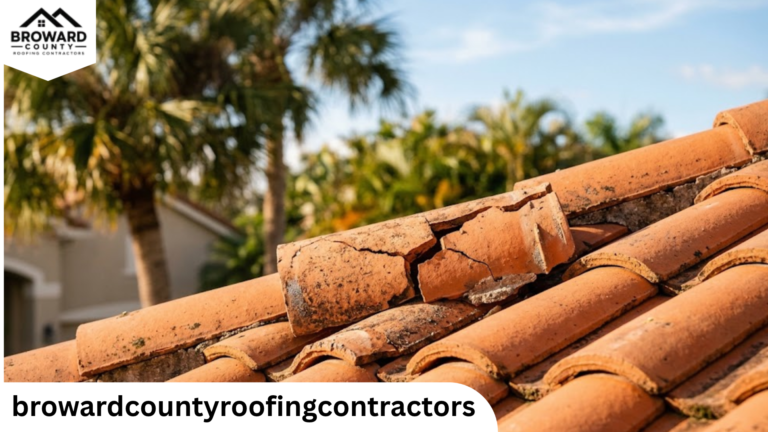
You notice a cracked tile near the edge of your roof. Maybe a branch fell during a storm, or maybe one tile just looks different from the rest. It seems small, and it’s easy to put off.
In Broward County, that delay can get expensive. Our heavy summer downpours, strong sun, and hurricane season put constant stress on tile roofs. A damaged tile rarely stays a small problem, and the broken roof tile repair cost you avoid today is often a fraction of what water damage costs later.
This guide explains why one broken tile can lead to a much bigger leak, what affects the price of repairs, and how to decide what to do next.
Why a Cracked Tile Is More Than a Cosmetic Problem
Tiles shed water, but they don’t make the roof waterproof
Many homeowners don’t realize this. On most tile roofs, the tiles are the first line of defense. They shield the roof from sun, wind, and most of the rain. The layer that actually keeps water out of your home is the underlayment installed beneath the tiles.
When a tile cracks or breaks, rain reaches that underlayment more directly. Underlayment can handle some moisture, but it isn’t designed for direct, repeated exposure over long periods. Sun and heat can also wear it down faster once the tile above it is gone.
Water doesn’t stay where it enters
Water that gets past a damaged tile often doesn’t drip straight into your living room. It can travel along the underlayment, roof deck, or framing before it shows up as a stain somewhere else. By the time you see a ceiling spot, the entry point may be several feet away, and the moisture may have been spreading for weeks.
That’s why a cracked tile that “doesn’t seem to be leaking” can still be causing damage you can’t see yet.
What can happen if it’s left alone
- Saturated or deteriorating underlayment
- Soft or rotted roof decking
- Wet insulation and reduced energy efficiency
- Ceiling stains, peeling paint, and drywall damage
- Mold or mildew in attics and wall cavities
- Loose neighboring tiles as the surrounding area weakens
None of this shows up in the cost of replacing a single tile, but it can push a repair bill up dramatically.
Why Broward County Roofs Are Especially Vulnerable
Heavy rain and humidity
South Florida’s rainy season brings intense, repeated downpours. A small opening that might be tolerable in a drier climate gets tested nearly every afternoon in summer. High humidity also keeps moisture lingering in attics, which helps mold take hold.
Hurricane season and wind-borne debris
Hurricane season runs from June 1 to November 30. Strong winds can lift or crack tiles, and flying debris such as palm fronds and branches can cause impact damage. A tile that’s already cracked or loose is a weak point when high winds arrive, and it can become a projectile that damages other tiles or property.
Broward County is also part of Florida’s High-Velocity Hurricane Zone, which comes with stricter building requirements for roofing work. Requirements and permitting vary by project, so a licensed local contractor should confirm what applies to your repair.
Sun, heat, and age
Constant UV exposure and temperature swings wear down roofing materials over time. Concrete and clay tiles are durable, but they aren’t immune to cracking, and the underlayment beneath them usually wears out sooner than the tiles themselves.
Common Causes of Broken Roof Tiles
Knowing the cause helps you judge whether a simple repair will hold or whether there’s a bigger issue.
- Storm damage. Wind and flying debris are the most common culprits after a major weather event.
- Foot traffic. Tiles can crack when someone walks on the roof, including satellite installers, HVAC technicians, and well-meaning handymen who aren’t trained for tile.
- Falling branches and fruit. Mature trees near the roofline, including palms and mango trees, can drop heavy items onto tiles.
- Age and weathering. Older tiles can become brittle and develop hairline cracks.
- Slipped or loose tiles. Wind, failed fasteners, or deteriorated mortar can shift tiles and lead to cracks at the edges.
- Poor previous repairs. Mismatched or improperly installed replacement tiles can crack or fail early.
Broken Roof Tile Repair Cost: What Affects the Price
Homeowners often want a flat number, but a fair quote depends on what’s happening on your specific roof. Here are the factors that typically move the price up or down.
Number and location of damaged tiles
Replacing a few tiles on an easy-to-reach section is a very different job from repairing damage across several slopes. Tiles near ridges, valleys, or steep areas take more time and more safety equipment.
Type of tile
Concrete, clay, and specialty tile profiles don’t all cost the same. Hard-to-find or discontinued tiles can also take longer to source and match.
Condition of the underlayment and decking
This is the biggest wild card. If the underlayment under the broken tile is intact, the repair may be simple. If water has already gotten in, the contractor may need to replace underlayment or repair decking, which changes both the scope and the price.
Roof pitch and accessibility
Steeper roofs and difficult access require more labor and more safety precautions.
Matching and tile availability
Tiles fade with time, so a new tile may not match perfectly. Finding the closest color and profile can take extra effort.
Permits and code requirements
Some roofing work may require permits or inspections, and wind-resistance requirements can affect how a repair is done. Ask your contractor what applies to your job.
Emergency or storm-related timing
After a major storm, demand for repairs can rise sharply. Temporary protection, such as a tarp, may be recommended while permanent repairs are scheduled.
Repair vs. Replacement: How to Tell Which You Need
A single broken tile on an otherwise healthy roof is usually a repair job. A bigger conversation starts when you see signs of a wider problem.
A repair is often enough when:
- Only a few tiles are cracked, chipped, or missing
- The damage is limited to one area
- The roof is relatively young and in good overall condition
- There’s no sign of water intrusion inside the home
Consider a larger repair or replacement when:
- Cracked tiles keep appearing in multiple areas
- You’ve had repeated leaks in the same part of the house
- The underlayment is aging or visibly deteriorated
- Decking feels soft or shows water damage
- The roof is approaching the end of its expected service life
A reputable contractor should show you what they find, ideally with photos, so you can see the reasoning behind their recommendation, whether that’s a targeted repair or a full roof replacement.
Warning Signs You Shouldn’t Ignore
Sometimes the tile isn’t the first clue. Watch for these:
- Cracked, chipped, slipped, or missing tiles visible from the ground
- Water stains on ceilings or walls, especially after heavy rain
- A musty smell in the attic or upper rooms
- Daylight visible through the roof deck from the attic
- Damp or discolored insulation
- Higher cooling bills with no clear cause
If you notice any of these after a storm, schedule an inspection sooner rather than later.
Should You Fix a Broken Tile Yourself?
It’s understandable to want to save money, but tile roofs are a poor DIY project for three reasons.
- Safety. Tile roofs are slippery and uneven, and falls are a serious risk.
- Added damage. Walking on tiles can crack more of them. Tile is strong when properly supported, but it breaks under concentrated weight.
- Hidden problems. A DIY swap can cover up underlayment damage. The roof may look fixed while water keeps getting in.
If you spot damage, take photos from the ground, note any interior stains, and call a licensed roofer. If a storm is coming and the damage is serious, ask about temporary protection.
What to Expect From a Professional Tile Repair
A thorough roof repair usually includes these steps:
- Inspection. The contractor examines the broken tile, nearby tiles, flashing, and the roof’s overall condition.
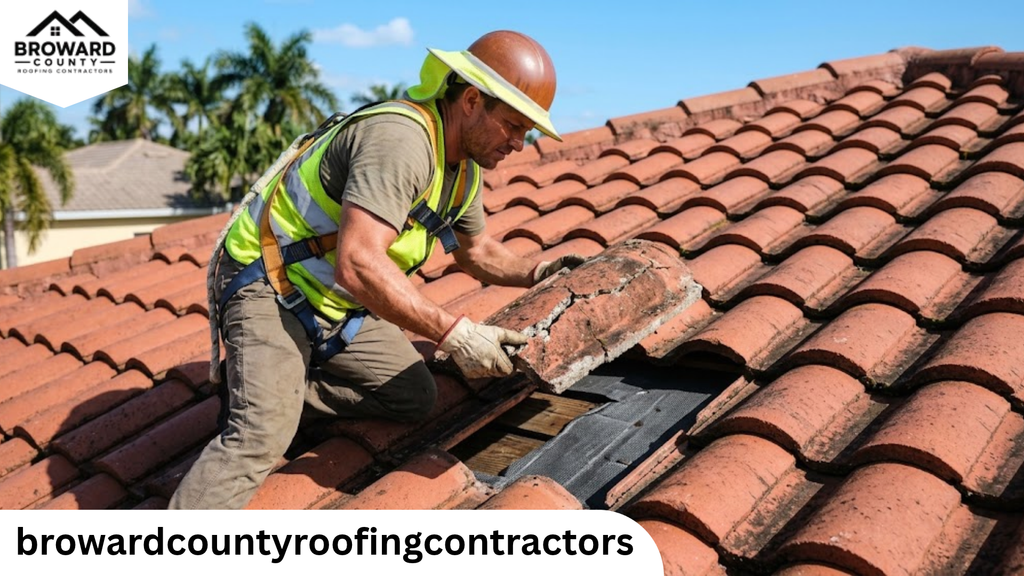
- Underlayment check. They lift the damaged area to see whether the underlayment is intact.
- Removal of damaged tiles. Broken pieces are carefully removed without disturbing the surrounding tiles.
- Repairs beneath the tile. Any compromised underlayment or decking is addressed.
- Replacement and securing. New tiles are installed and fastened according to proper methods and local requirements.
- Cleanup and explanation. The area is cleared, and you get a clear explanation of the work done.
How to choose a contractor
- Verify a current Florida license and insurance. License status can be checked through the Florida Department of Business and Professional Regulation.
- Ask about experience with your specific tile type.
- Request a written estimate that separates tile replacement from any underlayment or decking work.
- Ask how they handle permits and wind-resistance requirements in Broward County.
- Be cautious of door-to-door storm chasers and quotes that sound unusually low.
How to Prevent Tile Damage Before It Starts
- Schedule a roof inspection before hurricane season and after major storms.
- Trim branches that overhang the roof.
- Keep unqualified people off the roof, and ask service technicians to be careful around tiles.
- Clear debris from valleys and gutters so water drains freely.
- Address small repairs early, before they spread.
- Keep photos and records of repairs and inspections, which can help with insurance later.

FAQs
How much does broken roof tile repair cost?
It depends on how many tiles are damaged, the tile type, how accessible the area is, and whether the underlayment or decking is also affected. A simple replacement typically costs much less than a repair involving water damage. The most reliable way to get an accurate number is a written estimate after an inspection.
Can one cracked tile really cause a leak?
Yes. Because the underlayment beneath the tile provides the main waterproofing, a cracked tile can expose it to direct rain. Water can then travel along the roof structure and show up as a stain far from the actual damage.
Is a cracked roof tile an emergency?
Not always, but it shouldn’t wait long. If rain or a storm is in the forecast, or you already see interior water stains, treat it as urgent and ask about temporary protection.
Can I replace a broken roof tile myself?
It’s not recommended. Tile roofs are slippery and fragile underfoot, and a DIY fix can miss underlying damage. A licensed roofer can do the job safely and check what’s beneath the tile.
How long do tile roofs last?
Tile is known for durability, and lifespan varies with the material, installation quality, maintenance, and weather exposure. Keep in mind that underlayment typically wears out sooner than the tiles, so an aging roof may need attention even when the tiles look fine. For a closer look at how tile compares with other materials over the long run, see our comparison of metal roofing and barrel tile.
Does homeowners insurance cover broken roof tiles?
It depends on your policy and the cause of the damage. Storm damage may be treated differently than wear and tear, and deductibles vary. Review your policy, contact your insurer, and keep photos and written estimates handy.
How do I know if my tile roof is leaking?
Look for ceiling stains, musty smells, damp insulation, or daylight in the attic. Many tile roof leaks are slow and hidden, so a professional inspection is the best way to be sure.
Do I need a permit to repair roof tiles in Broward County?
It can depend on the scope of the work and the municipality. Your contractor should know the local requirements and can confirm whether a permit applies. You can also check with your local building department.
Don’t Let a Small Crack Become a Big Repair
A cracked tile looks minor, but it can open the door to water damage, rotted decking, and mold, especially in a climate like ours. Acting early usually keeps the repair small and the broken roof tile repair cost manageable.
If you’ve noticed damaged tiles, or you’re not sure what’s happening up there, a professional inspection can give you a clear picture. Contact a licensed Broward County roofing contractor to have your roof evaluated before the next heavy rain or storm.