If you own an older home in Broward County, you may have heard your insurance agent say, “We’ll need a 4-point inspection before we can renew.” Maybe you’re buying a house and the carrier is asking for one before binding coverage. Either way, the request can feel sudden, and the roof is often the part that worries people most.
A 4-point inspection is a short, focused review of four major home systems. Insurers use it to decide whether a home is a safe risk. This guide covers what a 4 point inspection in Broward County includes, why insurers ask for it, and how to prepare so the roof section doesn’t cause surprises.
What Is a 4-Point Inspection?
A 4-point inspection involves a visual review of four key areas of a home: the roof, electrical system, plumbing, and HVAC equipment.According to Florida’s Office of the Insurance Consumer Advocate, it is commonly required by homeowners insurers when issuing or renewing a policy, and its main purpose is to assess whether the property is insurable.
It is not a full home inspection. A buyer’s inspection looks at the whole house in detail. A 4-point report only documents the age, type, and condition of the systems that most often lead to insurance claims, and it does so in a format underwriters can review quickly.
Why Florida Insurers Ask for One
As homes age, systems wear out, and failures lead to expensive claims. A roof that’s past its service life can leak. Outdated wiring can create a fire risk. Old supply lines can burst. An insurer can’t visit every property, so the report gives it a documented snapshot.
In Broward, that concern is amplified. Intense sun, heavy summer rain, high humidity, and hurricane season all put steady stress on roofs and building systems. Many neighborhoods across the county were built decades ago, so a lot of homeowners land in the age range where carriers want proof of condition.
There’s no single rule for when a report is required. Insurance companies have different requirements, including the age of a home that may require an inspection. Check with your insurance agent or provider before booking one.
The Four Systems an Inspector Checks
1. Roof
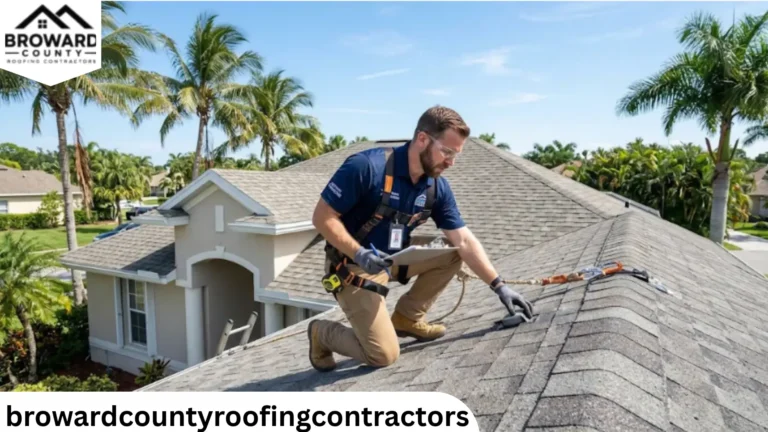
The inspector notes the type of roofing material, estimates how old it is, checks its current condition, and looks for visible leaks or signs of wear and damage.This is usually the section with the most impact, and we’ll cover it in detail below.
2. Electrical
The inspector looks at the type of wiring, the condition of the panel, and visible hazards such as exposed wiring or outdated components.The report also includes pictures showing the electrical panel with its cover removed.
3. Plumbing
This covers the water heater and its age, the type of pipes in the home, visible leaks, and whether the plumbing has been updated or re-piped.
4. HVAC
The inspector notes the age, condition, and operating status of the heating and cooling system, along with any visible damage.The inspector usually takes a photo of the manufacturer’s label to verify how old the equipment is.
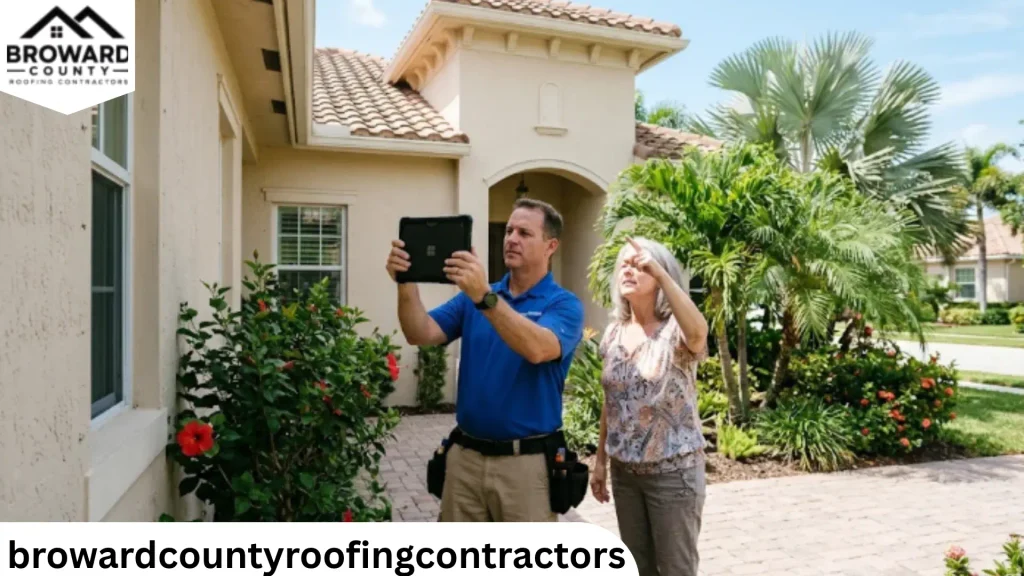
The report also includes photos of each side of the home, each roof slope, and any hazards or deficiencies the inspector finds.
Why the Roof Carries So Much Weight
The roof is the home’s first defense against wind-driven rain, and water intrusion is one of the most common sources of property claims. That’s why insurers study the roof section closely.
Roof Age and Remaining Useful Life
Age matters, but it isn’t the only factor. The Insurance Consumer Advocate’s guide gives one example: an insurer may require documentation showing at least five years of remaining useful life for shingle roofs older than 15 years, For tile or metal roofing systems that are more than 20 years old.Your carrier’s numbers may differ, so treat these as an example rather than a universal rule.
A roof’s real condition depends on its material, how it was installed, and how well it’s been maintained. Two roofs of the same age can be in very different shapes.
Roof Problems That Commonly Raise Red Flags
When a roof draws attention on a 4-point report, these are typical reasons:
- Active leaks or water stains on ceilings or in the attic
- Damaged, curled, or missing shingles, along with significant granule wear on asphalt roofing systems.
- Cracked or slipped tiles on tile roofs
- Damaged or lifted flashing around chimneys, vents, skylights, and wall transitions
- Ponding water or blistering on flat and low-slope roofs, which are common on Broward homes and small commercial buildings
- Repeated patching that suggests a roof is near the end of its life
- Soft or sagging areas that may point to deck damage
Most of these are fixable. A loose flashing detail or a few damaged shingles is a very different situation from a roof that’s failing across the board. Knowing which one you have before the inspection puts you in a much better position.
When You’ll Likely Need a 4-Point Inspection in Broward County
Common situations include:
- Purchasing an older property when the insurance company requires an inspection report before approving coverage.
- Renewing your insurance policy when the provider needs to assess the condition of an older home.
- Switching insurance companies, since a new carrier wants its own documentation
- Seeking new insurance coverage after your previous policy has expired or was not renewed.
The Insurance Consumer Advocate’s guide notes that the report generally needs to be dated within 30 days before the application is submitted, though each insurer sets its own window. Ask your agent for the exact timeframe so you don’t pay for a report that expires before it’s used.
How to Prepare Before the Inspector Arrives
A little preparation can prevent problems. A practical checklist:
- Gather roof records. Permits, invoices, warranties, and the date of the last replacement or major repair can help document the roof’s age.
- Look for obvious roof issues. From the ground, check for missing or lifted shingles, cracked tiles, stained soffits, or debris in valleys. Don’t climb on the roof yourself.
- Check the attic and ceilings. Look for stains, damp insulation, or musty smells.
- Clear access. Make sure the inspector can reach the electrical panel, water heater, HVAC equipment, and attic hatch.
- Make small repairs first. Missing panel screws or covers, minor leaks, and loose roof details are easier to address before the report is written.
- Find equipment documentation. Water heater and HVAC labels or records help confirm system ages.
Who Can Perform a 4-Point Inspection in Florida?
According to the Office of the Insurance Consumer Advocate, the inspection must be completed and signed by a verifiable Florida-licensed professional, such as a home inspector or a general, residential, or building contractor. You can verify a license through the Florida Department of Business and Professional Regulation (myfloridalicense.com).
It also helps to hire someone who understands what insurers look for. An inspection that takes far less than about an hour may not be thorough, according to the same guide.
What Happens If the Inspection Finds Problems?
Depending on the findings, you may need to complete repairs before the insurer will issue or renew a policy. That doesn’t automatically mean a full replacement.
- Minor issues like sealant failures or a few damaged shingles are usually handled with targeted repairs.
- Moderate issues may call for a more detailed roof evaluation to document remaining service life.
- Serious problems, including extensive wear or damage to the roof deck, may make replacing the roof a more suitable solution.
If a carrier is asking for a roof replacement based on age alone, ask your agent what documentation they’ll accept. Florida insurance law includes some protections tied to roof age, and a separate roof evaluation may help in certain cases. Your agent or an insurance professional can tell you what applies to your policy.
4-Point vs. Wind Mitigation vs. Full Home Inspection
These get confused often:
| Inspection | Purpose | Focus |
| 4-point | Insurance eligibility for an older home | Roof, electrical, plumbing, HVAC condition |
| Wind mitigation | Possible premium discounts | Wind-resistant features such as roof shape, deck attachment, and opening protection |
| Full home inspection | Buyer due diligence | Whole-house condition in detail |
Many Broward homeowners need more than one of these. A 4-point report helps you get covered, and a wind mitigation report may help you save on the premium.
How Much Does It Cost and How Long Does It Take?
Costs vary by inspector, location, and home size. The Insurance Consumer Advocate’s guide says a standalone 4-point inspection typically ranges from about $100 to $300 and generally takes about an hour. Pricing may be lower if it’s bundled with another inspection. Getting quotes from a few licensed professionals is reasonable.
Final Thoughts
A 4-point inspection is a routine step for many older Florida homes, and it doesn’t need to be stressful. The roof is usually the section that deserves the most attention, so find out its condition early, gather your records, and handle small repairs before the report is written.
If you’re not sure what shape your roof is in, a professional roof evaluation can show you where you stand before your insurer asks. To talk through your situation, contact Broward County Roofing Contractors at (754) 203-8806.
FAQs
What is a 4-point inspection in Florida?
It’s a limited inspection of a home’s roof, electrical, plumbing, and HVAC systems. Insurers use it to evaluate older properties when issuing or renewing coverage.
At what age does a house typically require a 4-point inspection?
There’s no single answer. Each insurer sets its own age threshold, so check with your agent or carrier.
Does a roof need to be recently installed to pass the inspection?
Not necessarily. Insurers look at the roof’s type, age, condition, and remaining useful life. A well-maintained older roof may still be acceptable depending on the carrier’s guidelines.
Can a roofer do a 4-point inspection?
In Florida, the report must be completed and signed by a verifiable licensed professional, such as a home inspector or a general, residential, or building contractor. Verify the license at myfloridalicense.com.
How long is a 4-point inspection report valid?
It varies by insurer. It generally needs to be dated within 30 days before the application, but confirm the timeframe with your carrier.
What if my roof fails the inspection?
Your insurer may ask for repairs or additional documentation before issuing or renewing coverage. A roofing professional can tell you whether repair or replacement makes more sense.
Is a 4-point inspection the same as wind mitigation?
No. A 4-point inspection supports insurance eligibility. A wind mitigation inspection documents wind-resistant features that may qualify you for discounts.