
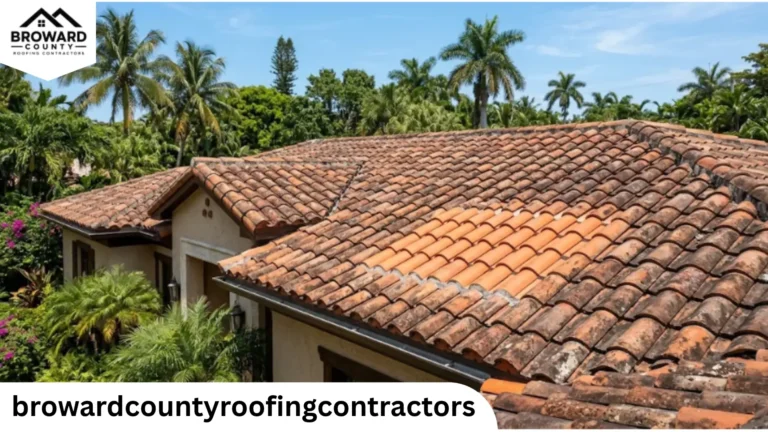
A branch from a storm, a cracked tile near the ridge, a leak around a vent: sooner or later, most tile roof owners need to swap out a few pieces. On a newer roof, that is simple. On a roof that has baked in the South Florida sun for 20, 30, or 40 years, it gets harder. The tile you need may no longer be made, and the tiles on your roof no longer look like they did on installation day.
If you are searching for replacement barrel tiles in Broward County, this guide explains why matching is difficult, the options contractors use, and how to decide between a spot repair and something larger.
Why Matching Tile Is Harder Than It Looks
Profiles change or disappear
Barrel tile, often called Spanish tile, mission tile, or S-tile depending on the shape, has been made in many profiles. Manufacturers update molds, change dimensions, or stop production altogether. A tile that looks identical from the street can differ slightly in width, curve, or overlap. Small differences matter, because tiles need to interlock and shed water correctly.
Color and finish age over time
Clay and concrete tile age differently. Clay color is generally fired into the material, so it tends to hold its tone, though dirt, algae, and mineral staining can dull the surface. Concrete tile gets its color from pigment and, in many cases, a surface coating, which can fade or wear over years of UV exposure. Either way, a brand-new tile beside a 30-year-old one often stands out, even when the profile is right.
South Florida weather speeds up the aging
Broward County roofs deal with intense sun, heavy seasonal rain, humidity, and salt air near the coast. Black algae, mildew, and chalking are common. These conditions can change how a roof looks well before the tile itself fails, which is why an older roof can look uneven after a repair.
First Step: Identify What You Actually Have
Before anyone orders material, the tile has to be identified. A careful contractor will usually check:
- Material: clay or concrete
- Profile: one-piece barrel (S-tile) or two-piece mission-style (separate pans and covers)
- Dimensions: length, width, and rise, measured on the roof
- Color and finish: glazed, natural, blended, or coated
- Markings: some tiles carry a manufacturer stamp on the underside
If you have paperwork from the original installation, a permit record, or a past inspection report, bring it up. It can shorten the search considerably.
How Contractors Match Discontinued or Weathered Tile
There is rarely one perfect answer. Most matching jobs combine a few of these approaches.
1. Salvage tile from your own roof
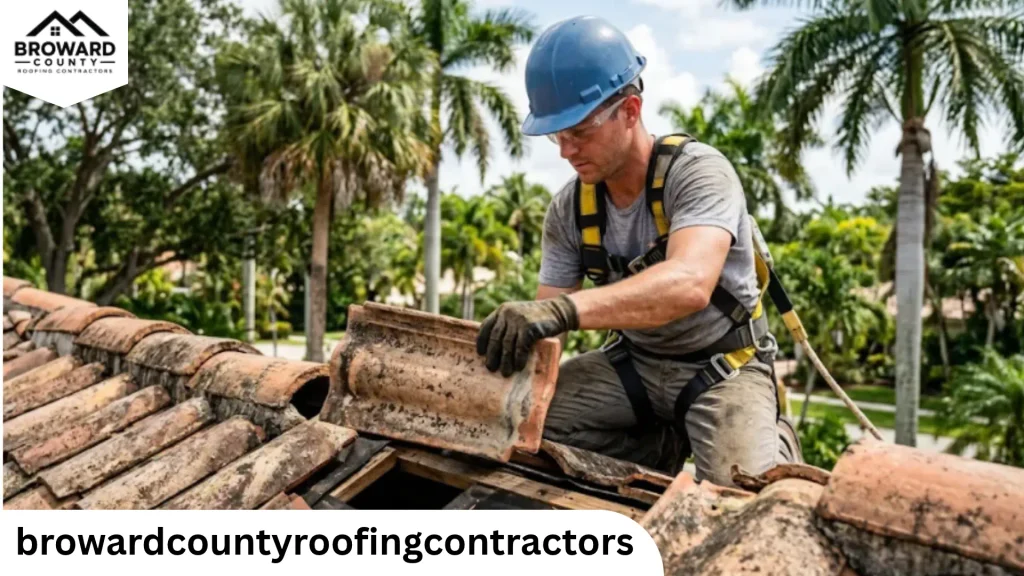
The closest match is often already on your property. Tiles from low-visibility areas, such as a back slope or a section over a garage, have aged the same way as the rest of the roof. A contractor can carefully remove them, install new or similar tile in the hidden spot, and place the salvaged pieces where the repair is visible.
This swap approach is common on older roofs because it protects curb appeal without requiring a perfect factory match.
2. Reclaimed tile
Some contractors and suppliers keep reclaimed tile from teardowns and reroofing jobs. Reclaimed tile has already weathered, so it often blends better than new product, especially for discontinued profiles. Availability varies and quantities may be limited, so ask early. Reclaimed tiles should be checked for cracks, chips, and hairline damage before use.
3. Closest-available new tile
If the exact profile is gone, a supplier may offer a similar profile and color. The goal is a tile that interlocks properly and sits at a similar height. This is where experience counts: a tile that is nearly right but sits unevenly can leave gaps or create water-shedding problems.
New tiles can look brighter at first. A contractor should set that expectation before work begins.
4. Blending new tile across a wider area
Instead of dropping a few new tiles in one patch, a contractor may mix them in with older tiles across a larger area. This reduces the patchwork look, though it means disturbing more of the roof, so cost and time go up.
5. Cleaning the existing roof
Sometimes the mismatch is partly dirt and algae on the old tile. Professional cleaning can narrow the gap. Be careful here: aggressive pressure washing can damage tile surfaces and loosen material, so ask how a contractor approaches cleaning on older tile.
6. Sectional or full replacement
When matching is not realistic, or the roof is near the end of its life anyway, replacing a full slope or the whole roof may make more sense than repeated patching. This is especially true if the underlayment below the tile is also aging.
Don’t Forget What’s Under the Tile
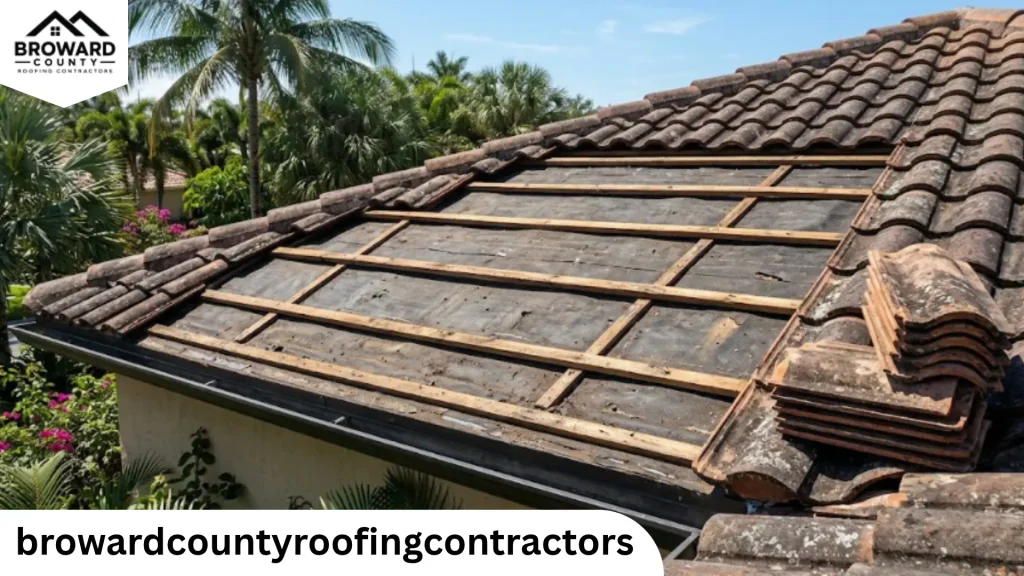
Tile is the visible layer, but on many tile roofs the underlayment and flashing do much of the work of keeping water out. When tile is removed for a repair, the contractor gets a look at what is underneath. If the underlayment is brittle, torn, or worn, replacing tile alone can be a short-term fix.
An honest contractor will check the underlayment, flashing, and fasteners during any tile repair and tell you what they see.
Broward County Considerations
Broward County is part of South Florida’s High-Velocity Hurricane Zone (HVHZ), where roofing work is held to stricter standards than in much of the state. Tile attachment, product approvals, and permitting can all come into play, even for repairs.
Because codes and local rules change, don’t rely on general advice for specifics. Ask your contractor how the repair will meet current requirements, whether a permit is needed, and how they confirm product approvals for the tile being used. Your city or county building department can also confirm what applies to your property.
If the damage is storm-related, insurance policies handle matching differently, and wording varies by insurer. Read your policy and talk with your carrier before assuming how matching will be treated.
Repair, Partial Replacement, or Full Reroof?
A spot repair is often reasonable when:
- Only a few tiles are cracked or slipped
- The underlayment checks out as sound
- Salvaged tiles are available for visible areas
Consider a larger repair when:
- The same problem keeps returning in different spots
- Many tiles are cracked, loose, or heavily worn
- Matching tile can’t be found for the profile
A full replacement may be worth discussing when:
- The underlayment is at or near the end of its service life
- Leaks have spread beyond one area
- Repair costs begin to approach the cost of a new roof
No single cutoff fits every home. A written inspection and an itemized estimate are the best way to compare options.
What to Ask a Contractor Before You Hire
- Can you identify my tile type and profile?
- Where would you source replacement tile (salvage, reclaimed, new)?
- How will the repair look next to the existing roof?
- Will you inspect the underlayment and flashing while the tiles are lifted?
- Who handles permitting, and what does the repair involve under local rules?
- Is the estimate written, with materials and labor itemized?
- What warranty or workmanship coverage applies to the repair?
Also confirm licensing and insurance. You can verify a Florida contractor’s license through the state’s Department of Business and Professional Regulation.
Quick Tips for Homeowners
- Keep spare tiles. If your roof is repaired or replaced, ask whether leftover tile can be stored for future use.
- Photograph your roof. Clear photos of the profile and color help with sourcing.
- Stay off the tile. Walking on it can crack pieces and worsen the problem.
- Act on small leaks early. A few cracked tiles cost far less to fix than a damaged deck.
- Expect delays after storms. Tile supply can tighten after major weather events.
FAQs
Can I find exact-match replacement barrel tiles for an older roof?
Sometimes, but not always. If your profile is still produced, a close match is more likely. If it has been discontinued, options include salvaged tile from your own roof, reclaimed tile, or a similar profile from a current manufacturer.
Why does the new tile look different from my old tile?
Old tile has been exposed to sun, rain, and algae for years. Concrete tile in particular can fade, while new tile has full color and a clean surface. The contrast is often most noticeable right after the repair.
What are barrel tiles on a roof?
Barrel tiles are curved clay or concrete roofing tiles named for their half-cylinder shape. They are common in Spanish, Mediterranean, and Florida-style homes. If you are weighing tile against another material, this breakdown of how barrel tile compares with metal roofing covers cost, weight, and upkeep.
Can a few broken tiles be replaced without redoing the whole roof?
Yes, in many cases. A roofer can replace cracked or missing tiles individually, as long as the underlayment and surrounding tiles are in workable condition. An inspection will tell you whether a repair is enough.
How do I know if my roof needs more than a tile swap?
Warning signs include recurring leaks, stained ceilings, many cracked or slipping tiles, and worn underlayment visible when tiles are lifted.
Does insurance cover matching tiles?
It depends on your policy and the cause of damage. Review your policy language and ask your insurer directly how matching is handled.
Do tile repairs in Broward County need a permit?
That depends on the scope of work and local rules. Ask your contractor and confirm with your local building department.
Conclusion
Matching tile on an aging roof takes patience, local knowledge, and a realistic view of the roof’s overall condition. The best results usually come from combining methods: salvaging tile from hidden areas, sourcing reclaimed or closest-available replacement barrel tiles, and checking what’s under the tile before closing the roof back up.
If your Broward County tile roof has missing, cracked, or mismatched tiles, a professional inspection is the clearest first step. Contact us for a tile roof inspection and get a written assessment of your repair options.