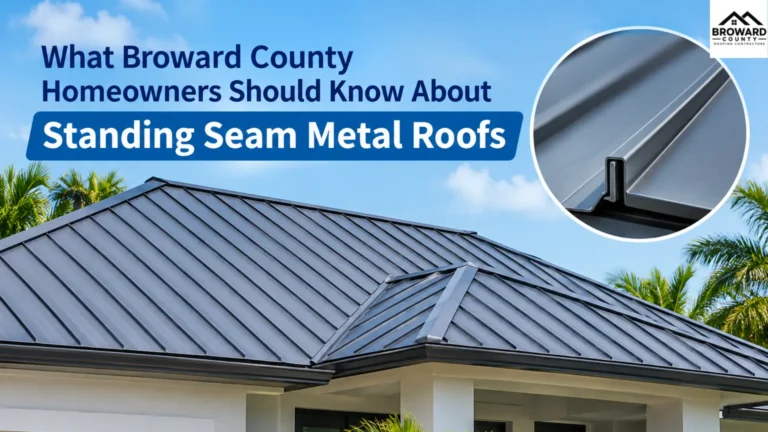
Ask around long enough about metal roofing in Broward County and the standing seam always comes up first. There’s a reason for that, it’s the version built to actually take a beating from wind, rain, and whatever storm season decides to throw at it that year. Before signing off on one, it’s worth understanding what genuinely sets it apart from other metal roofing, not just that it happens to look sharp on the house two doors down.
The Thing That Actually Makes Difference
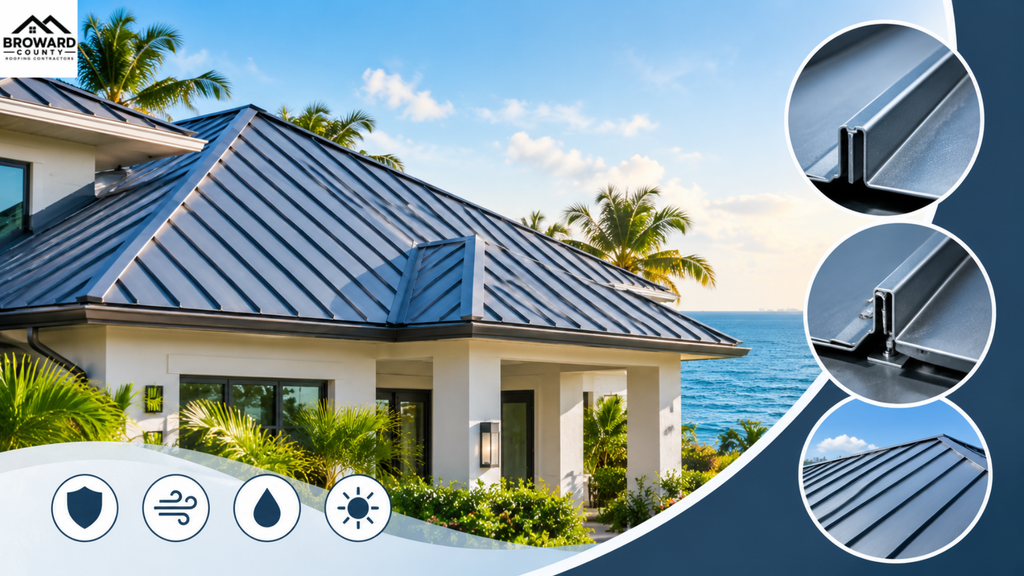
The name comes straight from how the panels lock together. Rather than screws punched straight through each panel’s face, standing seam panels click together along tall raised ridges running up the roof, with every fastener buried underneath, nowhere near the open weather.
That buried hardware setup is basically the entire selling point. Screws left exposed to Broward’s sun, rain, and salty air wear down eventually, and each individual screw hole becomes a small opening where water could eventually work its way in. Standing seam sidesteps nearly all of that by burying the hardware where the weather simply can’t reach it.
Why Does It Matters More in This Area?
In a lot of places, hidden versus exposed fasteners is barely worth a second thought. Around here, it’s a genuinely big deal. Salt-heavy air eats through exposed metal fasteners quicker than most people expect, particularly the nearer you are to the coastline, and relentless sun breaks down the rubber washers and sealant around exposed screws faster with every passing year.
Standing seam also copes with Florida’s temperature swings better than exposed fastener setups do. The hidden clips holding everything down let the metal expand and contract as the day heats up and cools back down, instead of getting locked rigid by screws that can work loose or crack a panel over time.
Storm Performance, Not Just A Sales Pitch
Wind is genuinely the toughest test any Broward roof faces, and standing seam consistently ranks near the very top when it comes to handling it. A properly installed system is commonly rated for wind speeds most other roofing materials simply can’t touch.
- Locking seams resist wind trying to lift the roof better than loose screws ever could
- No exposed hardware means fewer weak spots once the wind really picks up
- Plenty of systems meet the toughest Miami-Dade wind and impact testing around
- Wind pressure spreads out across the whole roof instead of piling up on single points
That combination explains why standing seam shows up so often on coastal homes and on any property where the owner wants the strongest defense possible heading into another hurricane season.
Understanding Panel Thickness
Standing seam panels aren’t all cut from the same thickness. Steel gets measured in gauge, aluminum in a decimal figure, and confusingly, a lower gauge number actually signals a thicker, sturdier panel, something that trips people up the first time they hear it explained.
Heavier panels typically shrug off debris impact and general aging better across the decades, though you’ll pay a little more going in. A decent contractor walks you through which thickness actually fits your house instead of just defaulting to whatever’s cheapest to slap on.
Two Ways These Panels Lock Together
Not every standing seam system connects the same way. Snap lock panels snap into place by hand during the install, which moves quicker and typically costs a touch less. Mechanical seam panels get crimped together using a specialized tool, which creates an even tighter, more weatherproof bond.
Both can genuinely perform well here when the installer knows what they’re doing. Mechanical seam usually edges out snap lock on raw wind and water resistance, which explains why it turns up more often on homes right along the coast where conditions get more extreme.
Let’s Talk Real Numbers
Standing seam roofing is usually more expensive initially compared to metal roofing with exposed fasteners or asphalt shingles. This higher initial expense is due to the roofing materials, the labor needed for proper installation, and the many years of roof lifespan that you’re getting.
In thinking about expenses, it pays to look at it in terms of the cost-per-year of roof lifespan. A standing seam roof running several decades with barely any repairs often ends up cheaper over time than replacing something budget-friendly two or three separate times across those same years.
A handful of factors push any given quote up or down, and it’s worth knowing what you’re actually paying for.
- Material choice, aluminum runs pricier than steel but fights off salt air better
- Panel thickness, heavier gauge costs more but survives impacts longer
- Roofline complexity, a simple roof installs quicker than one packed with valleys and angles
- Seam style, mechanical seam typically costs a bit more than snap lock
A proper written estimate should spell these factors out clearly instead of just handing you a flat number with zero explanation behind it.
Colors And Finishes
Standing seam panels come in a genuinely wide range of factory finishes now, well past the plain silver most people picture in their head. Darker shades soak up a bit more heat, while lighter, reflective finishes bounce more sunlight away and help keep the attic from turning into an oven.
Certain finishes are also built specifically to resist fading and chalking under Florida’s brutal UV exposure, which matters given how many blazing sunny days Broward racks up every year. Ask about finish warranties specifically, since they swing quite a bit between manufacturers.
Where Homeowners Usually Trip Up
A few missteps keep repeating themselves whenever homeowners start shopping standing seam roofing, and knowing about them beforehand can save real money and real frustration.
One frequent mistake is zeroing in on price per square foot alone without ever asking about panel thickness or fastener style. Two quotes can look nearly identical on paper while hiding very different qualities underneath the surface.
Another one is skipping past the contractor’s licensing and track record. Installing standing seam correctly takes more specialized skill than laying shingles, and a sloppy install can leave a system performing nowhere near its rated wind resistance, regardless of how good the material itself actually is.
Types Of Metal Panel
Here’s a quick breakdown of how standing seam lines up against other common metal roofing choices.
| Panel Style | Where The Screws Go | Rough Wind Number | Makes Sense For |
| Standing Seam | Hidden out of sight | 150+ mph territory | Most Broward houses wanting the best leak defense |
| Exposed Fastener Panels | Screwed right through the face | 120 to 140 mph range | Tighter budgets, sheds, garages |
| Metal Tile-Look Panels | Hidden out of sight | Around 150 mph | HOA streets wanting that Spanish look |
Maintenance of Standing Seam
Standing seam is really low maintenance compared to many other options out there, but low maintenance doesn’t mean no maintenance. Doing a walk through, or preferably an inspection by a professional, can nip problems in the bud and keep them from getting bigger.
Take note of the vent, chimney, and edge areas of the roof, as flashing and sealants will be doing most of the work there. A good rinse now and then removes salt and dirt build-up, particularly if your house is near the water.
What’s Going On With Oil Canning
Spend any time researching standing seam roofs and you’ll eventually stumble on the term oil canning. It describes a subtle wavy or rippled look that can appear on flatter panel sections, mostly a byproduct of normal thermal movement rather than any real structural flaw.
It’s purely cosmetic, not a performance issue, though it bugs some homeowners more than others. Going with a slightly heavier panel gauge and hiring an experienced crew both help keep it as unnoticeable as possible.
What Happens on Installation Day
There is simply no way a quality installation of standing seam roof can be rushed or done without care. Usually, it begins with a careful inspection of the old roof surface for any signs of wear or rot, which needs to be addressed before any installation takes place.
After that, underlayment is put in place as the real first line of defense against water, followed by the actual panels, custom cut to fit your roof’s size. Flashing is placed at all penetration points, vents, chimneys, and skylights, since these areas take the largest part of the beating during the storms.
This process takes more time than the standard shingle installation, but it is this very time, spent properly and carefully, that makes the difference between having a roof that functions exactly as advertised and the roof that looks good until the wind actually hits.
Insurance Savings and Resale Value
A wind-resistant standing seam roof that has been installed according to specifications might entitle you to some discounts on wind resistance insurance with your home insurance company since these types of roofs are usually considered to be some of the more durable roofs against hurricanes. However, you need to make sure whether buyers around Broward increasingly ask about roof age and material right out of the gate, since it directly shapes their own future insurance costs and general peace of mind.
Would It Be Suitable For My House?
The answer is yes. Standing seam tends to make the most sense for homeowners settling in for the long haul, anyone genuinely concerned about storm performance, and anyone worn out from constant roof repairs every few years. It’s less of a natural fit if the lowest possible upfront number is your single top priority.
Location matters too. A house sitting closer to the coast deals with heavier salt exposure and typically gets even more benefit from that sealed, hidden fastener setup than a home further inland. Roofline shape plays a role as well, a steeper, simpler roof generally suits standing seam more naturally than one loaded with low-slope sections.
The only real way to know for sure is a genuine inspection of your current roof paired with an honest conversation about your budget, your timeline, and what actually matters most to you in a roof.
How Standing Seam Stacks Against Your Current Roof
Coming from asphalt shingles, the gap is usually pretty stark. Shingles typically need replacing every fifteen to twenty five years under Florida’s harsh sun and storm cycles, while a well maintained standing seam roof can easily double or triple that lifespan.
Shingles also soak up far more heat than reflective metal panels do, which shows up directly on your summer cooling bills. The tradeoff sits in upfront cost, shingles install cheaper initially, but homeowners planning to stay put long term often find standing seam pays for itself over the years through fewer repairs and lower energy bills.
How We Help With Standing Seam Projects
Broward County Roofing Contractors installs standing seam systems alongside several other roofing materials, so what we recommend is based on your actual house and your actual goals, not whatever we happen to have the most practice installing. We offer full roof inspections, standing seam installation, storm damage repair, and complete roof replacement anywhere across Broward County.
We’ll get up on your roof, walk through panel options and thickness with you, and give you a straight answer on whether standing seam genuinely fits your specific home.
FAQs
Is standing seam really worth the extra money?
Yes, especially for those who intend to stay in their home for a very long time. The longevity of standing seam makes up for the higher price tag.
Does standing seam really leak less than other metal roofs?
Yes. Standing seam roofs do not have the holes that often cause leaks in other metal roofs.
Can a standing seam be installed without removing the old roof?
Yes, sometimes, depending on the condition of the existing roof. A thorough inspection will help determine if it needs removal or not.
Does standing seam demand special upkeep?
Not really. Periodic inspections and an occasional rinse to clear salt buildup are usually plenty to keep it performing well.
What actually separates snap lock from mechanical seam?
Snap lock panels click together by hand, while mechanical seam panels get crimped with a tool for an even tighter seal.
Will standing seam actually lower my insurance bill?
It often qualifies for wind mitigation discounts, though the exact amount depends on your policy and your specific roof system.
Thinking seriously about a standing seam roof for your house? Call Broward County Roofing Contractors. We’ll inspect what you’ve currently got, walk you through your real options, and help you decide if standing seam actually fits your home and your budget.

- Why Clogged Drains in Flat Roof Systems Cause Major Damage - October 23, 2026
- Why Flat Roofs Fail Faster Near Broward County’s Coastline - October 21, 2026
- TPO or EPDM for Your Broward Business Roof? Let’s Sort It Out - October 20, 2026