
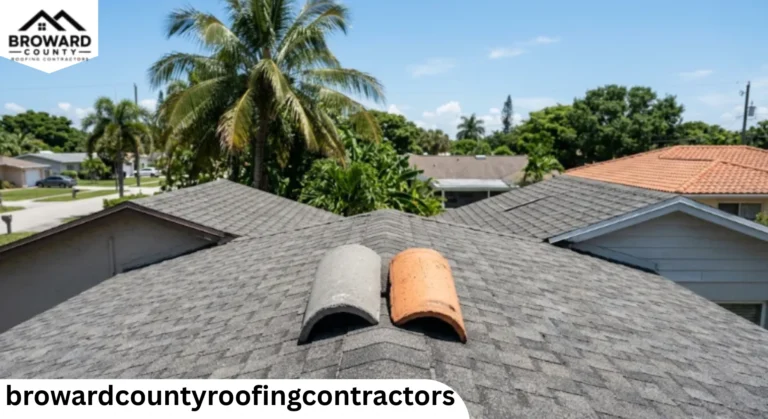
If you are planning a roof replacement in South Florida, tile is probably on your shortlist. It handles sun, heavy rain, and humidity well, and it suits the Mediterranean, Spanish, and contemporary homes you see across Broward County. The harder question is which kind of tile. Concrete and clay look similar from the street, but they differ in weight, price, and how they age.
This guide covers the concrete tile vs clay tile roof cost question, then looks at weight, lifespan, and the Broward-specific factors that should shape your decision. You will also find a checklist for comparing quotes, so you can judge bids on more than the bottom-line number.
Concrete vs Clay Tile at a Glance
| Factor | Concrete Tile | Clay Tile |
| Upfront material cost | Generally lower | Generally higher |
| Weight | Heavy | Heavy, often somewhat lighter per tile; varies by profile |
| Color | Surface-applied or integral color; can fade over time | Fired into the tile; typically holds well |
| Appearance | Wide range of profiles, including flat, barrel, and shake looks | Classic barrel and Spanish looks; premium, natural finish |
| Impact resistance | Often tough, but can crack | Can be more brittle; may chip or crack from impact |
| Moisture | More porous; may collect algae and stains | Typically less porous, especially when glazed |
| Typical buyer | Budget-conscious tile shoppers | Owners prioritizing long-term appearance and a premium finish |
Treat this table as a starting point. Specific products vary by manufacturer, profile, and thickness, so check the product data sheet and warranty for the exact tile you are considering.
Concrete Tile vs Clay Tile Roof Cost: What Really Drives the Price
The short answer is that clay tile usually costs more than concrete tile, both for the material and often for installation. But the tile itself is only one part of the bill. Two quotes for the same home can differ by thousands of dollars for reasons that have nothing to do with concrete versus clay.
Here is what typically moves the final number.
Material and Profile
Tile prices depend on the manufacturer, the profile (flat, low-profile, S-tile, barrel), and whether you choose a standard or custom color. Imported or specialty clay and hand-finished products sit at the high end. Mass-produced concrete tile in common colors tends to sit lower.
Roof Size, Pitch, and Complexity
A simple gable roof is far cheaper to tile than one with multiple hips, valleys, dormers, and skylights. Every valley and transition means extra cutting, flashing, and labor. Steeper roofs also slow crews down and add safety costs.
Tear-Off and Decking Repairs
Removing the existing roof and inspecting the decking is a major line item. If the plywood or boards underneath are damaged, they must be repaired or replaced before new tile goes on. This is one of the most common reasons final invoices exceed the first estimate, so ask how your contractor prices decking repair before work starts.
Underlayment and Waterproofing
On a tile roof, the underlayment is your real waterproofing layer. Tile sheds most water, but wind-driven rain can get beneath it, so underlayment quality matters. Better underlayments cost more, and they are worth discussing in detail.
Structural Work
If your roof framing needs reinforcement to carry tile, that cost gets added to the project. The next section covers weight, since it affects both safety and budget.
Permits, Product Approvals, and Inspections
Roofing work in Broward County requires permits and inspections, and local building requirements can affect which products and installation methods are allowed. Broward falls within Florida’s High-Velocity Hurricane Zone (HVHZ), which carries stricter product and installation standards. Your contractor should confirm the current requirements for your address and handle the permitting process.
Why Written Quotes Matter
We are not going to give you a per-square-foot number here, because honest pricing depends on your roof’s size, condition, and structure, and rates passed around online go out of date quickly. The reliable way to learn your actual concrete tile vs clay tile roof cost is to request itemized written quotes for both options on your specific home.
Weight: The Question That Can Change Your Budget
Both concrete and clay tile are significantly heavier than asphalt shingles or metal roofing. That matters because the roof structure has to carry the tile’s load, plus the stress of high winds and heavy rain.
Tile weights vary by product, so no single number applies to every tile. Manufacturers publish weight per square (100 square feet of roof area) on their data sheets, and that is the figure your contractor or engineer should work from.
When Weight Becomes a Problem
This comes up most in two situations:
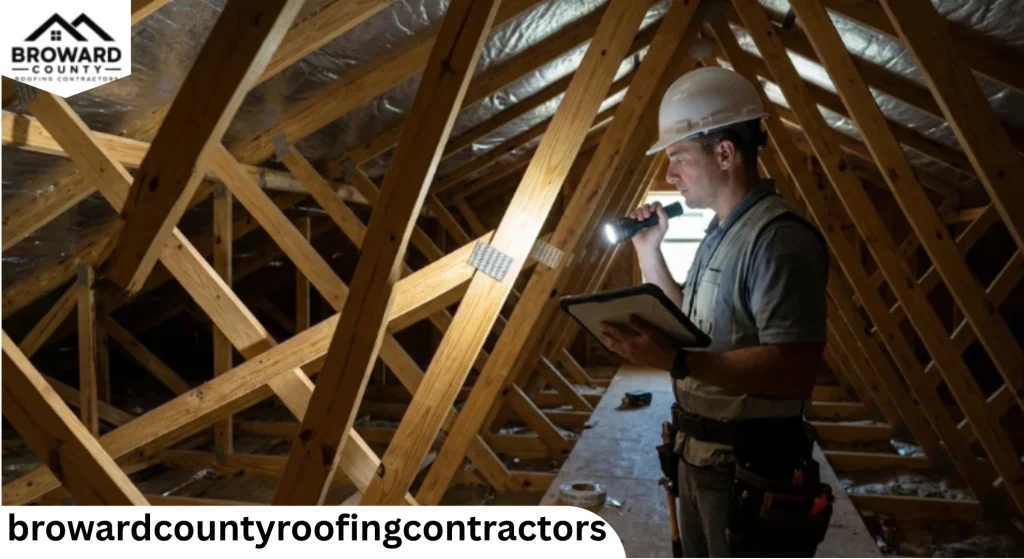
- Switching from shingles to tile. A roof built for shingles may not have been designed for the added load. A structural evaluation before you commit is a smart step.
- Older homes. Framing in an older Broward home may not match current standards, and previous additions or repairs can complicate the picture.
If reinforcement is needed, it can change the cost comparison. In some cases, a lighter tile profile or a different roofing material makes more sense than reinforcing the structure. A reputable contractor should say so plainly rather than steer you to the most expensive option.
Practical tip: Ask any contractor you are considering whether they evaluated the roof structure, who did it, and whether a licensed engineer’s review is recommended for your home. If nobody has looked at the framing, the quote is incomplete.
Longevity: How Long Do Concrete and Clay Tile Last?
Both materials are known for long service lives, often far longer than asphalt shingles. Clay is commonly regarded as the longer-lasting of the two, but real-world results depend on factors beyond the tile type:
- Installation quality. Fastening, flashing, and attachment methods make a major difference in how a tile roof performs through storms.
- Underlayment. It often wears out well before the tile does, so a tile roof may need new underlayment while the tiles are still in good shape. Ask what underlayment your contractor uses and its expected service life.
- Maintenance. Cracked tiles, failed flashing, and clogged valleys cause most leaks, and catching them early is far cheaper than repairing water damage.
- Manufacturer warranty. Read what is covered, what is not, and whether the warranty transfers to a new owner.
Because lifespan estimates vary by manufacturer and conditions, rely on the written warranty and product documentation for the exact tile you choose rather than a generic number.
Broward County Factors to Consider
South Florida’s climate puts roofs through a lot, and some local considerations affect the concrete-versus-clay decision directly.
Hurricane Wind Performance
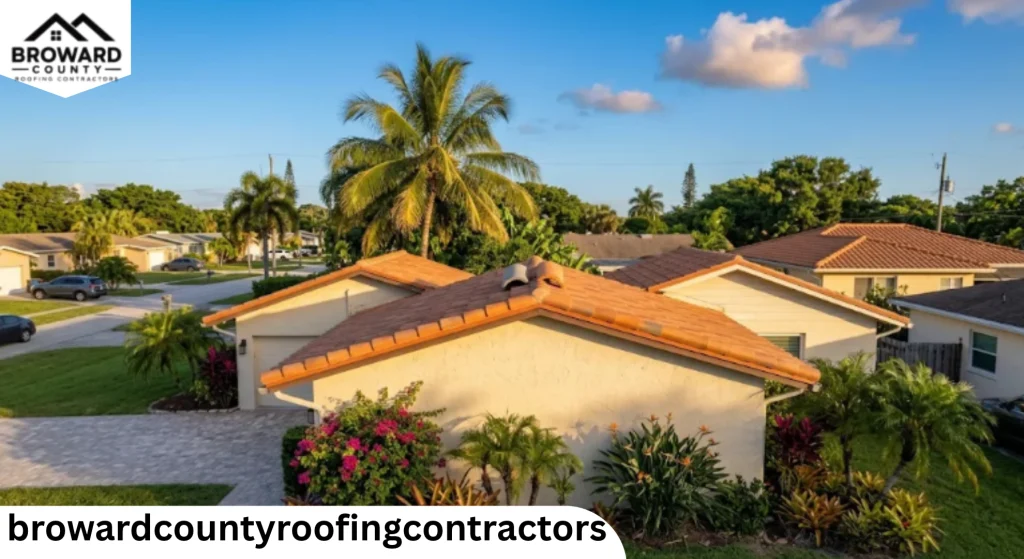
Wind resistance depends heavily on how the tiles are attached, not just on whether they are concrete or clay. Mortar-set, foam-adhesive, and mechanically fastened systems each have their own product approvals and installation rules. Ask which attachment method your contractor plans to use, and ask to see the product approval that applies to it.
Product Approvals in a High-Velocity Hurricane Zone
Because Broward County is in the HVHZ, roofing products and systems generally need to meet specific approvals. Do not just take anyone’s word for it. Ask for the approval documents and confirm they match the tile and system going on your roof. Our guide on how roofs handle a direct hurricane hit explains why that paperwork matters, though it uses metal systems as its example.
Sun, Humidity, and Algae
South Florida’s heat and humidity encourage algae and staining. Concrete tile is more porous than clay, so it can show staining more readily over time. Clay, especially glazed clay, tends to resist this better. Concrete color can also fade with sun exposure, while clay’s fired-in color usually holds. If you care how your roof looks in 20 years, weigh this.
Salt Air Near the Coast
If your home is closer to the water, ask your contractor about fasteners, flashing, and metal components. Corrosion in those parts can cause problems even when the tile looks fine.
Insurance and Wind Mitigation
Many Florida homeowners ask whether a new tile roof lowers their premium. The answer depends on your insurer and on features documented in a wind mitigation inspection. Talk to your insurance agent before you decide, and keep your permit and product approval paperwork somewhere safe.
Maintenance and Repairs
Tile roofs are durable but not maintenance-free.
- Walking on tile can crack it, especially clay. Leave inspections and tile repairs to professionals.
- Pressure washing can damage tile and strip its surface or protective coating. Ask a roofer before cleaning.
- Broken or slipped tiles should be addressed quickly, since the underlayment is what keeps water out once a tile is missing.
- Inspect after major storms, and consider a routine check on a regular schedule.
Replacement tile can be hard to match on older roofs, particularly for discontinued clay or custom colors. Concrete is often easier to match, though color fade can still create visible differences. Keeping a few spare tiles from the original installation is a useful habit.
Which Should You Choose?
Concrete tile may be the better fit if:
- You want the tile look at a lower upfront price
- You like a wide range of profiles and colors
- You are comfortable with some surface weathering over the years
Clay tile may be the better fit if:
- Long-term color retention and a premium appearance matter most
- Your home’s architecture calls for a traditional or high-end look
- Your budget allows a higher initial investment
Consider other options if:
- A structural review shows reinforcement would be costly
- You want something lighter, such as metal or a lighter-weight tile profile
There is no universally right answer. The best choice is the one your home’s structure can support, your budget can handle, and your long-term plans match. For a closer look at that trade-off, see our comparison of metal roofing and barrel tile. If you are also weighing a full roof replacement, ask each contractor to price tile alongside any alternatives.
How to Compare Roofing Quotes
When you collect bids, check that each one answers these questions:
- Is the contractor licensed and insured in Florida? You can verify licenses through the state’s licensing portal.
- Does the quote name the exact tile brand, profile, and product approval?
- What underlayment is included, and what is its expected life?
- How is the tile attached, and does it match the product approval?
- Was the roof structure evaluated for the weight of tile?
- How are decking repairs priced if rotted wood is found?
- Who pulls the permit and schedules inspections?
- What warranties cover the tile and the workmanship, and what is excluded?
FAQs
Is concrete tile cheaper than clay tile?
Generally, yes. Concrete tile usually costs less than clay in materials and often in installation. Total project cost still depends on roof size, complexity, structural work, and underlayment, so request itemized quotes for both.
Which is heavier, concrete or clay tile?
Both are heavy compared with shingles or metal. Actual weight varies by manufacturer and profile, so check the product data sheet for the tile you are considering. Either way, have the roof structure evaluated before committing.
Which lasts longer, concrete or clay tile roofs?
Clay is commonly considered to have the longer lifespan, but both can last many years when properly installed and maintained. The underlayment often needs replacing sooner than the tile, and the manufacturer’s warranty is the best guide to expected performance.
Are tile roofs good in hurricanes?
A properly designed, approved, and installed tile roof can perform well, but performance depends on the attachment method, the product approval, and installation quality, not just the material. Broward County’s HVHZ standards add specific requirements, so confirm them with your contractor.
Do I need to reinforce my roof for tile?
It depends on your framing. Homes originally built for shingles may need evaluation, and some may need reinforcement. Ask your contractor and, where recommended, a licensed engineer to review it.
Does a tile roof lower homeowners insurance?
Sometimes, but it varies by insurer and by the features documented in a wind mitigation inspection. Ask your insurance agent rather than assuming.
Can I install tile over an existing roof?
Tile is typically installed after the old roofing is removed and the decking is inspected. Ask your roofer what is allowed and appropriate for your roof and local code.
Final Thoughts
The concrete tile vs clay tile roof cost question has a simple surface answer: concrete is usually less expensive upfront, and clay usually costs more. The smarter decision looks past the tile itself to weight, structure, installation method, product approvals, and how the roof will look and perform years from now.
If you want a clear comparison for your own home, the best next step is an on-site roof inspection and an itemized quote. Our team at Broward County Roofing Contractors can walk you through the options and explain exactly what goes into the number. Reach out through our free estimate page to schedule an assessment.