
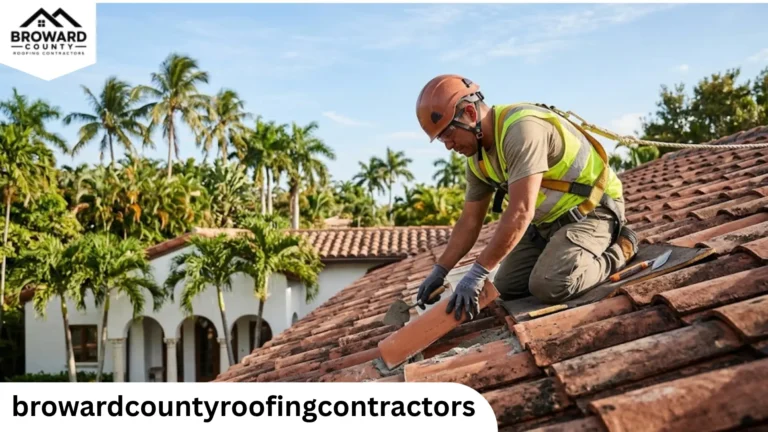
If you have a barrel tile roof, you probably chose it for the look. The curved, Mediterranean profile suits South Florida homes, and tile has a long track record in this climate. But when something goes wrong, many homeowners find out that tile roof repair in Broward County is a different job from fixing a shingle roof.
A shingle roof is mostly a flat, lightweight system. Barrel tile is heavy, layered, and shaped in a way that hides problems until water is already inside. A crew that handles shingles all day may not know how to work on it without causing more damage.
This guide covers what makes barrel tile repair more specialized, what problems Broward homeowners commonly run into, and what to ask before hiring someone.
How a Barrel Tile Roof Actually Keeps Water Out
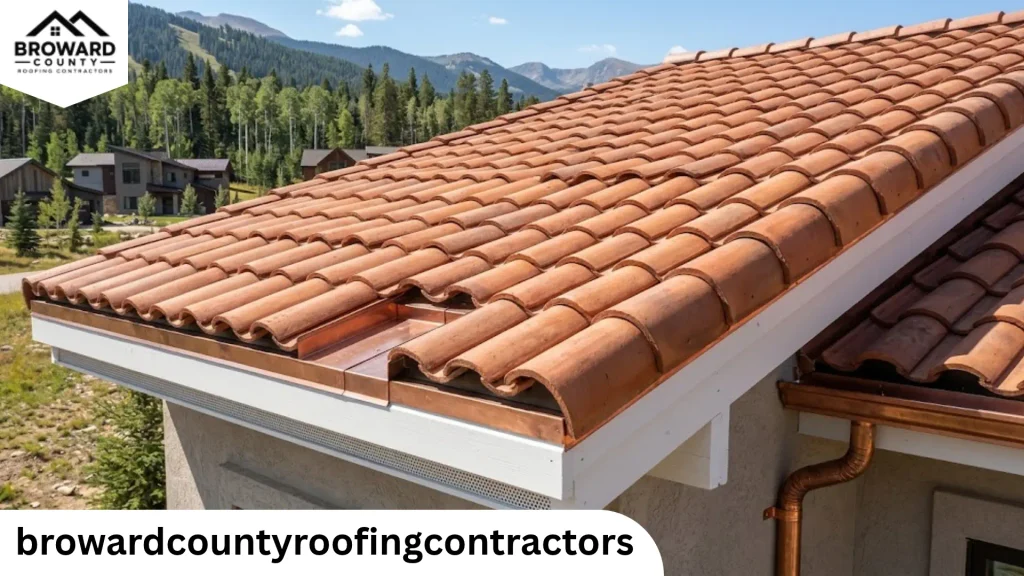
Many people assume the tiles themselves are the waterproof layer. They’re not. Tiles shed most of the water, but the underlayment beneath them is the real secondary barrier. Flashing at valleys, walls, and penetrations does the rest.
This matters for repairs because a roof can look fine from the street while the underlayment below has aged, cracked, or been punctured. When a tile roof leaks, the cause is often the layer you can’t see.
Repair Challenges That Are Unique to Barrel Tile
1. The Roof Is Easy to Damage Just by Walking on It
Barrel tiles, whether clay or concrete, can crack under foot pressure. Technicians who aren’t trained to walk tile correctly can break tiles while trying to repair one. Experienced crews know to step on the lower, supported part of the tile and to spread their weight carefully. They often use padded walkways or planks in sensitive areas.
If a contractor’s first move is to stomp across your roof, that tells you something.
2. The Leak Is Rarely Where the Water Shows Up
Tile roofs have a lot of space for water to travel. Water that enters at a cracked tile or a failed valley can run along the underlayment or deck before it appears as a ceiling stain in a different room. A proper repair starts with tracing the source, not patching the nearest spot.
3. Matching Existing Tile Isn’t Always Simple
Over the years, tile profiles, colors, and finishes have changed. A tile from a roof installed decades ago may be hard to match exactly. Color fading from sun exposure adds another variable. A good contractor will look for the closest match, sometimes salvaging sound tiles from a less visible section of the roof, and will be honest about what will and won’t blend in.
4. Tile Is Attached in Several Different Ways
Depending on when the roof was installed and by whom, tiles may be held in place with mortar, foam adhesive, mechanical fasteners, or a combination. Each method calls for a different repair technique. Mortar can crack and loosen over time. Adhesive bonds can fail. Fasteners can corrode. Using the wrong method on an existing roof can create weak spots, which is a real concern in a county where wind uplift is a serious consideration.
5. Weight Changes How Repairs Are Done
A tile roof carries a lot of weight, and that weight is part of how the roof system was designed. Stacking material in one spot, or removing large sections without a plan, can stress the structure and the remaining tiles. Repair crews need to stage material carefully and work in manageable sections.
6. Underlayment Repairs Mean Lifting Tile
When the underlayment fails, the fix isn’t a quick patch. Tiles in the affected area have to be removed, set aside carefully, and then reinstalled over repaired or replaced underlayment. It’s slower than shingle work and requires patience to avoid cracking tiles in the process. This is also why costs for tile repairs can look different than what homeowners expect from shingle repairs.
Common Barrel Tile Problems in Broward Count
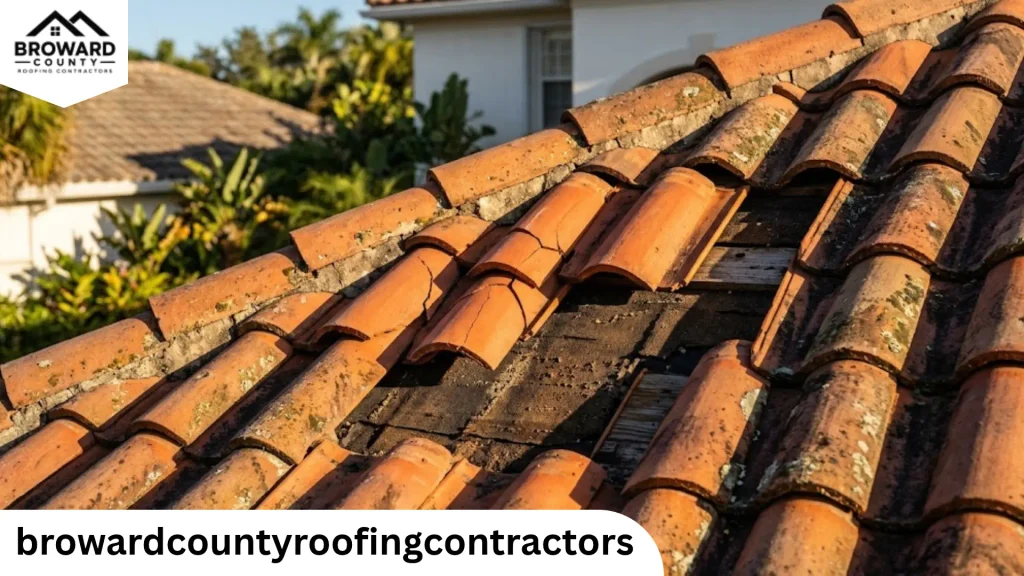
Broward’s climate puts specific pressures on tile roofs:
- Slipped or shifted tiles. Heavy rain, strong wind, and age can loosen tiles from their original position, leaving gaps that expose the underlayment.
- Cracked or broken tiles. Storm debris, falling branches, and foot traffic are common causes.
- Deteriorated mortar. Ridge and hip caps that rely on mortar can crack and separate, letting water in at the highest points of the roof.
- Aging underlayment. Years of heat and humidity wear this layer down, even when the tiles above still look good.
- Flashing failures. Valleys, chimneys, skylights, and wall transitions are frequent leak points on any roof, and tile roofs are no exception.
- Algae, moss, and staining. Humid South Florida conditions encourage growth on tile surfaces, which can hold moisture and hide small cracks.
None of these automatically means a full replacement. Many can be repaired if caught early, which is a good reason not to wait after a storm or when you notice a stain.
Why Hurricane Season Raises the Stakes
Broward County sits within Florida’s High-Velocity Hurricane Zone, which has its own building requirements. Because of that, tile roof repairs here are not something to improvise. Permit and code requirements can apply depending on the scope of work, so it’s worth asking any contractor how they handle permitting and what local requirements apply to your specific repair. Your city or county building department is the authority on this.
A loose or missing tile before a storm can become a larger problem quickly, because wind can lift neighboring tiles once the system is compromised. Having a roof inspected before hurricane season, not during it, gives you time to schedule repairs without pressure.
What to Ask Before Hiring a Tile Roof Repair Contractor
Not every roofer is set up for tile. Before you sign anything, ask:
- How much experience do you have specifically with barrel tile? Ask for examples of similar work on Broward homes.
- Is your company licensed and insured in Florida? Ask for license information and verify it through the state.
- How will you find the source of the leak? The answer should involve more than “we’ll patch it.”
- How do you match existing tiles? An honest answer includes the limits of matching.
- Will you inspect the underlayment and flashing, or just replace visible tiles?
- How do you protect the roof while working on it?
- What does your written estimate include? Look for scope, materials, permit handling, and warranty terms.
Clear, specific answers are a good sign. Vague answers are not.
Signs You Should Call for a Repair Soon
Don’t wait for the ceiling to drip. Schedule an inspection if you notice:
- Missing, cracked, or visibly shifted tiles
- Water stains on ceilings or walls, especially after rain
- Tile pieces in your gutters or yard
- Mortar crumbling at ridges or hips
- Daylight visible in the attic
- A musty smell or damp insulation in the attic
For a broader look at your roof’s condition, a professional roof inspection can identify small issues before they become expensive ones.
When Repair Makes Sense and When It Doesn’t
Repair is often the right call when damage is limited to a small number of tiles, a flashing section, or a localized underlayment problem. But if the underlayment has failed across large areas, repairs may only be a temporary fix. In that case, a contractor should walk you through the options honestly, including partial or full re-roofing, rather than pushing a quick patch.
If you’re weighing different materials for the long term, our pages on metal roofing and asphalt shingle roofing explain how those systems compare. For general leak and damage work on any roof type, see our roof repair services.
Getting Tile Roof Repair Help in Broward County
Barrel tile is durable, but it asks for a more careful, knowledgeable repair process than most other roof types. The right contractor will find the real source of the problem, protect your roof during the work, and give you a straight answer about repair versus replacement.
If you’re seeing signs of damage or want an expert opinion before the next storm, call (754) 203-8806 or visit us at 4491 S State Rd 7, FL 33314 to schedule an inspection. Browse our Broward County roofing service areas to find your city.
FAQs
How much does tile roof repair cost in Broward County?
Cost depends on the type of damage, tile type (clay or concrete), roof pitch, access, and whether underlayment work is needed. A few replaced tiles cost far less than an underlayment repair that requires lifting large sections. A written estimate after an inspection is the only reliable way to get a number for your roof.
Can a few broken roof tiles be replaced without redoing the whole roof?
Yes, in many cases. Individual cracked or missing tiles can be replaced, provided the underlayment below is still in good condition and a reasonably close tile match is available.
Why is my tile roof leaking if the tiles look fine?
Tiles are not the only waterproofing layer. Aged underlayment, failed flashing, or cracked mortar at ridges can all cause leaks without any visible tile damage.
How long does a barrel tile roof last in South Florida?
The tile itself can last a long time, but the underlayment and flashing often wear out sooner than the tiles. Lifespan depends on tile material, installation quality, and maintenance. A roofing professional can assess the remaining life of your specific roof.
Is it safe to walk on my tile roof to check for damage?
It’s best to avoid it. Tiles can crack under foot traffic, and tile roofs can be slippery and steep. Binoculars from the ground or a professional inspection are safer options.
Should I repair my tile roof before hurricane season?
Fixing loose, cracked, or missing tiles ahead of the season is a practical step, since compromised areas are more vulnerable in high winds. Scheduling early also avoids the rush after a storm.
Do I need a permit for tile roof repair in Broward County?
It depends on the scope of the work and your municipality. Ask your contractor how they handle permits, and confirm requirements with your local building department.