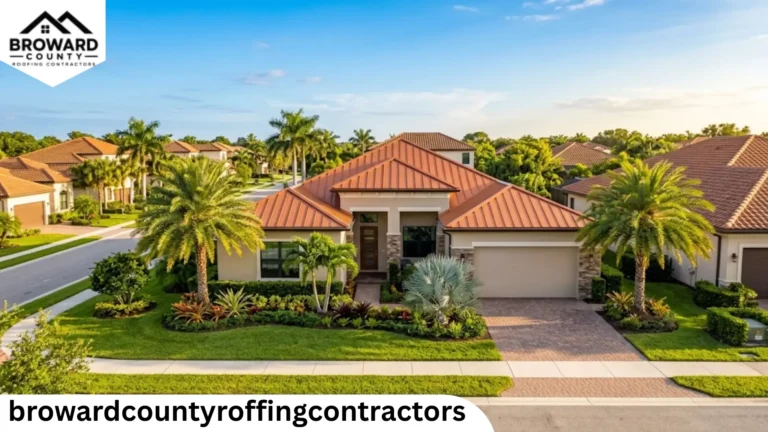
A homeowner picks out a metal roof, excited about the durability and the storm protection, only to hit a wall with their own HOA. It occurs far more often than you would expect in Broward County, and not usually due to the fact that metal roofing is a poor selection. It is almost always the case that it has something to do with old codes, old assumptions, or an HOA that just hasn’t been informed on how well metal roofing functions.
A Miserable Position to be in
No one likes to hear that what they’ve done is wrong after having researched thoroughly. There are many homeowners in Broward who have done just that, considering everything from storm resistance, to long-term value, to energy efficiency, and been rejected by the paperwork of their community.
It is understandable to be frustrated, however this does not mean there is no hope. Knowing exactly why there is a restriction will help solve the problem.
A Lot Of These Rules Predate Modern Metal Roofing
Plenty of Broward communities were built decades ago, back when metal roofing on a residential home meant something closer to a corrugated barn roof than the sleek, engineered systems available today. The architectural guidelines written back then simply never accounted for what metal roofing has become.
Those original rules often just listed tile or shingles as the approved materials, not because metal was rejected on purpose, but because nobody writing the document in that era was thinking about it at all. Decades later, those same outdated lists are still technically the rule, even though the roofing world has moved on.
Keeping The Neighborhood Looking Consistent
A big part of why HOAs exist in the first place is to keep a community looking cohesive. Boards worry that one house with a noticeably different roof style can throw off the visual consistency the whole neighborhood was designed around.
This concern isn’t unreasonable on its face. A community full of matching barrel tile roofs does have a certain uniform look, and a board’s job includes protecting that kind of shared aesthetic, even if the material underneath performs better.
The Shiny Surface Worry
Reflective glare is another one of the objections that is raised more than expected. There are some architectural codes which limit reflective surfaces; they were written considering windows and mirrors, but now some architects consider roofing in their context.
The irony is that many of the modern metallic roofs are finished in matte form so as not to give the glaring effect of earlier metallic roofs. A board working off assumptions about old-style metal panels may not realize how different modern finishes actually look in person.
Confusing Metal With An Industrial Look
Another widely held myth is that metal roofs automatically give the appearance of a warehouse or commercial property. This idea is firmly ingrained in the mind despite the fact that modern residential metal roofs have evolved from such designs.
This is easy to see how this myth came about. For a long time, metal roofs were only available in exposed corrugated sheets that had a rather industrial look to them. That version of metal roofing just isn’t what’s being installed on most homes today.
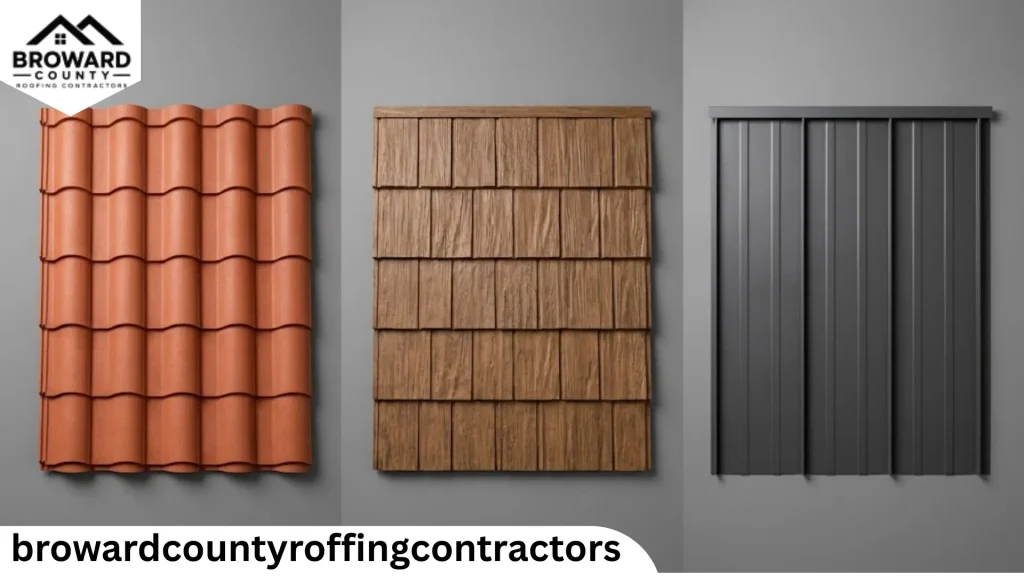
- Metal panels now come shaped to mimic traditional barrel tile
- Shake-style metal panels replicate the look of wood shingles
- Color options now span the same warm, earthy tones common in tile roofing
- The styles of seams can be selected not to stick out but to match instead.
Boards who are not familiar with these styles tend to imagine the old rusty corrugated steel boards rather than what is available in the market at the moment.
A Quick Glance at the Most Common Concerns
This is a list of the most commonly asked questions together with the solutions offered by the homeowners.
| Common HOA Concern | What It Usually Means | How Homeowners Work Around It |
| Material type restrictions | Only tile or shingles listed as approved | Request a review using current guidelines |
| Reflective surface rules | Worry about glare off shiny panels | Choose a matte or low-gloss finish |
| Style mismatch | Metal looks too modern or industrial | Pick tile-look or shake-look metal panels |
| Color limits | Only certain tones are pre-approved | Submit samples in an approved color family |
| Outdated guidelines | Rules written before metal was common | Ask the board to formally update the document |
Resale Value Worries Boards Sometimes Raise
Some board members worry, often without real data behind it, that a non-traditional roof could hurt resale value for neighboring homes. It’s a concern rooted more in habit than in evidence, especially as metal roofing has become genuinely popular across Florida in recent years.
In reality, many buyers now actively look for metal roofing because of the insurance benefits and lower long-term maintenance. A board operating on old assumptions about buyer preferences may be working from information that’s simply no longer accurate.
Why Insurance Changes The Conversation
There have been significant changes in the insurance market in Florida, which have made wind mitigation discounts for reinforced roofs very attractive to the residents of Florida. Often, metal roofs qualify for such discounts easier than the older tile and shingle roofs.
Bringing this point to the attention of an HOA association can significantly affect the entire discussion, as the board trying to ensure the property value might see the hurricane-proof roof as a great benefit for the community, rather than something that does not look nice.
What Does The Law State About HOAs and Hurricanes in Florida?
There are some laws of Florida that concern hurricane protection of the HOAs, and this law has a direct connection with the roof. Namely, the association must keep the written specifications for hurricane protection, and the board of the HOA cannot simply refuse a certain roofing material based on its being metal.
That said, HOAs still retain real authority to enforce an overall architectural scheme for the community. The law doesn’t force a board to approve the cheapest option or any specific material. It mainly prevents a board from being arbitrary about rejecting an otherwise compliant product simply because it happens to be metal.
Why Some Local Codes Get Even More Specific
In some parts of South Florida, there have been a few cities that have gotten more stringent about building codes when it comes to roofs and have put it into actual code language instead of merely HOA guidelines. A few of those codes actually take architectural styles into consideration, sometimes even going so far as to specify standing seam metal versus metal tile-shaped roofs.
This is precisely why you want to check out the HOA rules along with the code for your municipality because there is a difference.
When Boards Actually Change Their Minds
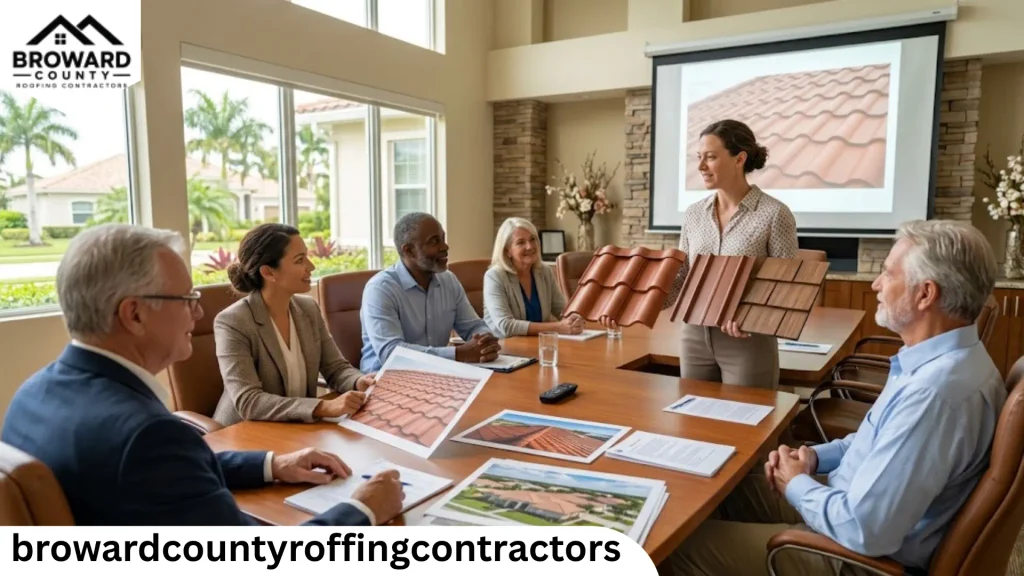
It happens more than people assume. A homeowner brings real samples, modern photos, and solid information to a board meeting, and the board realizes their assumptions about metal roofing were based on outdated information rather than what’s actually available now.
Boards made up of volunteers aren’t roofing experts. Most are simply working from whatever document was handed down to them, and plenty are genuinely open to updating outdated language once they understand how far metal roofing has actually come, both in appearance and in storm performance.
How To Actually Get Approval
Getting a metal roof approved in a restrictive community usually comes down to preparation rather than luck. Boards generally aren’t trying to be difficult, they’re working from whatever documentation and samples get put in front of them. A few steps make a real difference in how smoothly the process goes.
- Pull your HOA’s current architectural guidelines before applying
- Bring physical samples in finishes that closely resemble your home’s existing style
- Point to specific products with Miami-Dade or Florida product approval
- Ask neighbors who’ve gone through a similar approval process for advice
Boards respond far better to a complete, well documented request than to a vague one. Showing up prepared signals that you’ve done the homework, which tends to speed up the whole process.
Local Codes Can Be Stricter Than You’d Expect
Beyond HOA paperwork, some Broward municipalities have their own building code language addressing roofing materials directly. A few even get specific about which style of metal roofing is acceptable in certain historic or architecturally controlled districts.
This means that it is quite possible for one to satisfy all the requirements of his or her HOA and still face a separate municipal law or vice versa. Conducting due diligence and checking both laws can save a great deal of trouble in the long run.
What To Do In Case You Are Refused
Just because you are refused once does not mean the end. Some HOAs have an appeals procedure, whereas some may even consider reviewing the initial decision upon receiving new information about the product.
If the refusal sounds unfair to you in the light of previous experience with such issues in the association, you might ask how other roof finishes/materials were considered before. The HOA should apply the same criteria to all its members.
A Real Example Worth Knowing About
However, it is not merely a hypothetical situation. At least one documented case in Florida involved a dispute between homeowners and an HOA about approving a copper colored metal roof due to restrictions against a reflective surface in HOA’s rules and regulations.
In this particular case, the HOA argued that the language of the reflective surface rule was applied only to certain objects such as windows and doors, and not for roofs, and that reflective metal roofs had been approved in the area by the same HOA in the past.
Why Consistency is Important in Board Decision Making
Under Florida HOA law, boards are required to apply rules consistently and fairly throughout the community. This means that it may be difficult to deny your application if other homeowners were previously able to receive approvals from the board to use similar products or materials.
It does not mean that each and every approval you get is going to be justified. However, it helps understand how your board treated previous applications before making assumptions that your request has been unjustly denied.
Working With A Contractor Who Knows About HOAs
Contractors who have dealt with such cases before can be helpful. A contractor will be aware of what kind of paperwork an HOA board needs, what products have the required approvals, and how to submit the request properly – which can save you months of discussion.
Broward County Roofing Contractors have assisted many homeowners with the HOA approval of metal roofing. We offer full roof inspections, metal roofing installation, and guidance putting together the kind of documentation that architectural review boards actually want to see.
FAQs
Can an HOA legally reject a metal roof outright?
Not simply because it’s metal. If a specific product meets the community’s adopted standards, a board generally can’t deny it on material type alone.
Does metal roofing really look industrial up close?
Absolutely not. Contemporary metal panels come in both tile-look and shake-look variations, which imitate other roofing materials.
Why is it that older neighborhoods have more restrictive roofing policies?
A great deal of those policies were drawn up back when metal roofing was still relatively rare, thus ignoring the possibility.
Is there any chance that I’ll be able to get my HOA to modify their old roofing policies?
Indeed, many boards will revise their guidelines, and in most cases you just have to demonstrate the relevance of the product.
Is a reflective roof always a no-go because of HOA glare regulations?
Absolutely not. The modern products are coated in matte finish to prevent the glare issue entirely.
What should I prepare for a discussion of a metal roof with an HOA?
Photos and product approval certificates as well as samples will definitely make your argument convincing.
Convincing the HOA board of changing their policy may take some time but will not be impossible at all. In most cases, the HOA truly wants what is best for the neighborhood, and you only need to prove that point.
Thinking about metal roofing but worried about HOA approval? Call Broward County Roofing Contractors. We’ll help you understand your options and put together a request your board can actually say yes to.